Build Real Estate Communities Rooted in Wellness and Sustainability.
ROOTS is a wellness community real estate model and consultancy built on four pillars: Community, Health, Sustainability, and Education, applied through «ROOTS Canvas & Covenants,» our 16-point framework covering everything from water security to crisis preparedness.
Empowering wellness and nourishing sustainability: community development for a better tomorrow.
$876B
Wellness real estate market, 2025
45 years
Building and running wellness businesses
Wellness community real estate model & consultancy built on four pillars: Community, Health, Sustainability, and Education.
For landowners and developers who want a genuinely healthy community rather than a wellness-branded one, ROOTS is the wellness real estate consultancy led by someone who has spent 45 years building and running the wellness infrastructure other consultancies only design on paper. Grant Gamble has personally developed, built, and operated two dozen-plus wellness campuses and clinics across Australia and the U.S. ROOTS brings that operating experience to the masterplanning table.
ROOTS is a wellness community real estate model built on four pillars: Community, Health, Sustainability, and Education. Most developments add a yoga studio and call themselves a wellness community. ROOTS starts from a 16-point framework covering everything from water security to emergency preparedness, and applies it at every stage, from site selection through to the people who move in.
Wellness real estate is the fastest-growing sector in a $6.8 trillion global wellness economy, commanding a 10 to 25 percent price premium worldwide, with individual developments like Serenbe in Georgia reaching 37 to 55 percent. The same trend is already playing out here: Australia’s wellness real estate sector grew 13.9 percent post-pandemic to $36.12 billion in 2023, and Sydney’s One Sydney Harbour has sold 95 percent of its wellness-anchored towers for more than $4 billion.
ROOTS helps landowners and developers capture that premium properly, with a proven community model, a founder who has built the wellness infrastructure at the centre of it, and a flagship project already underway in Byron Shire, NSW.
 What We Do
Always guided by our ROOTS Canvas & Covenants.
Wellness Real Estate & Community Development
Feasibility, site selection, master planning, phasing, town planning liaison, and community engagement, taking a site from raw land to a masterplanned community.
Sustainability, Off-Grid Systems & Resilience
Water, energy, food security and waste management. Off-grid infrastructure. Natural building materials. Climate and disaster resilience built into the site and structures from day one.
Permaculture & Regenerative Land Management
Food forests, agrihood design, regenerative agriculture, soil health, and biodiversity. Land that gets healthier because a community lives on it.
Wellness Lifestyle Programming & Amenity Design
Food forests, agrihood design, regenerative agriculture, soil health, and biodiversity. Land that gets healthier because a community lives on it.
Brand & Customer Experience Ecosystem
Identity, messaging, sales infrastructure, and community member journey design: the layer that turns the other four into a place people actually find, understand, and stay in.
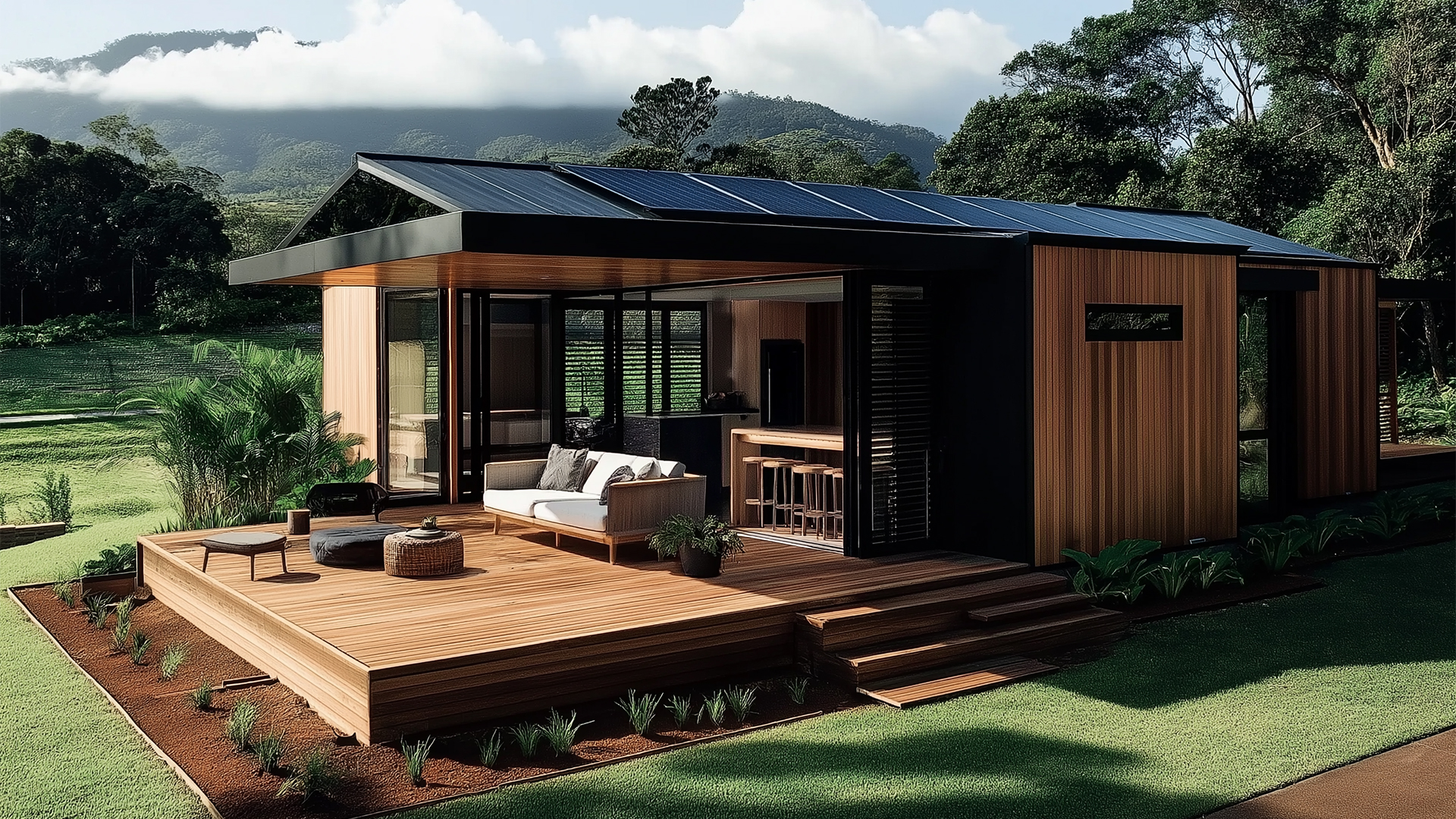
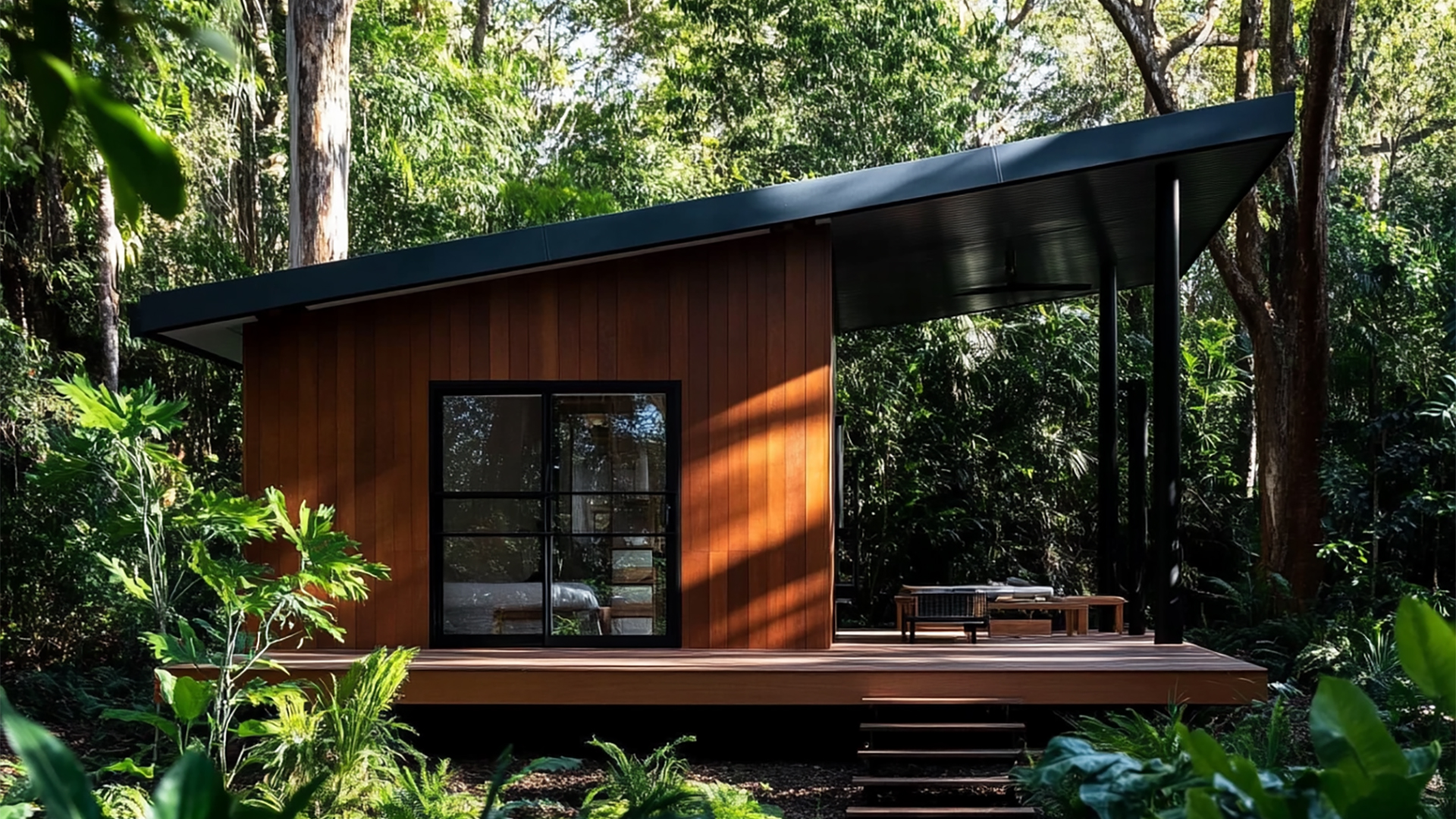
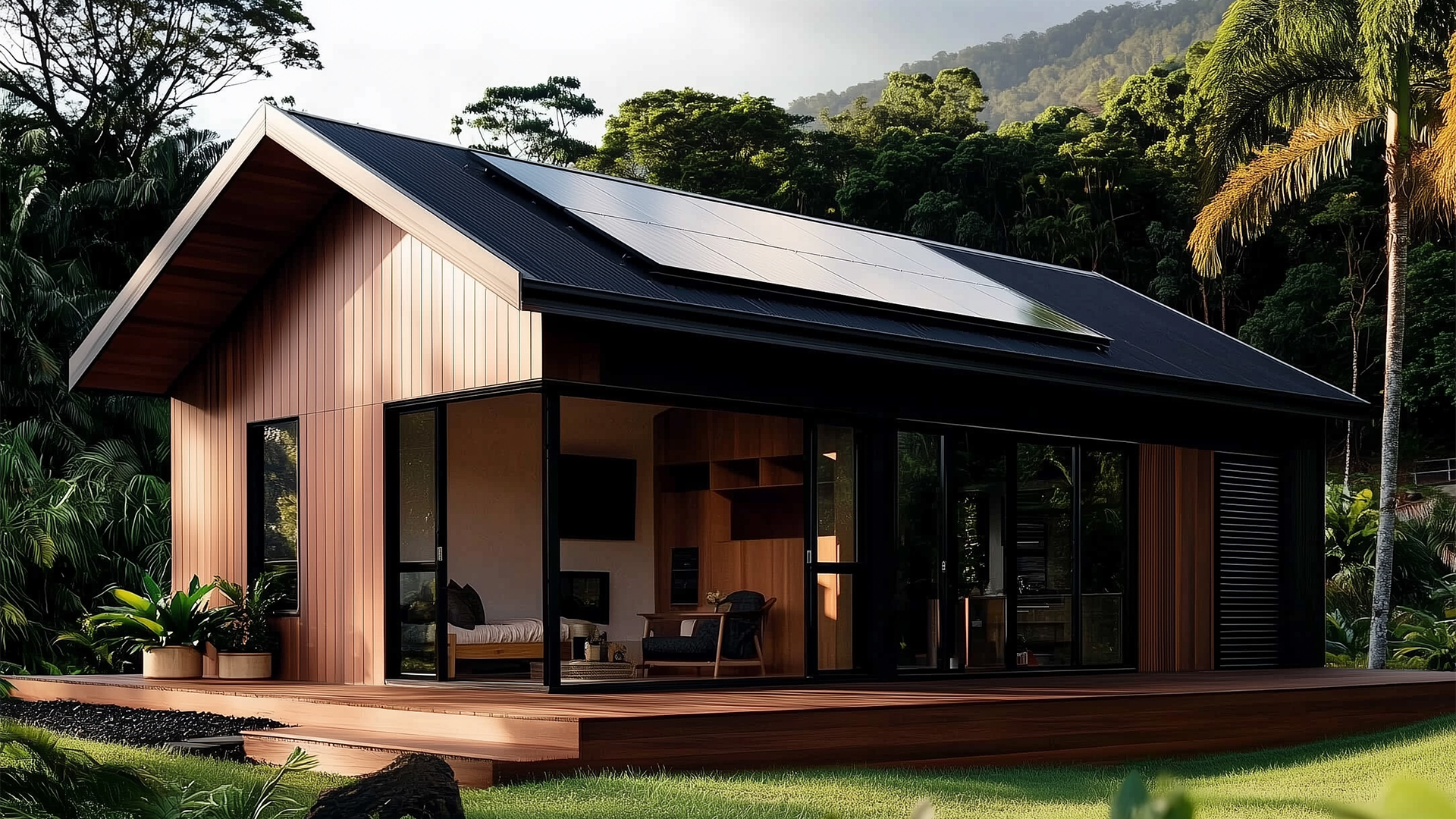
ECOO Modular Sustainable Small Footprint Homes
Providing affordable, sustainable, beautiful small footprint homes with flexible configurations, accessibility features, and off-grid options.
Why ROOTS
 A wellness industry pioneer since 1985, Grant has led the design, development, and construction of over two dozen wellness campuses, clinics, and mixed-use precincts across Australia and the US, from a 22-acre greenfield wellness campus in Pennsylvania to Heartfield, a regenerative wellness community he’s now helping to develop in Byron Shire, NSW.
Starting in 1997, he helped introduce one of the world’s first «Exercise as Medicine» models, spanning ground-up builds, big-box retail conversions, and hospital-integrated fitness campuses in partnership with hospitals like Johns Hopkins and Sentara.
20+ years building the wellness campuses and clinics most consultancies only design on paper.
 Articles by Grant
«What Does a Healthy Community Look Like Beyond COVID?»
«How to Achieve the Ultimate State of Wellness»
«Wellness Real Estate Return On Wellness (ROW) = ROI«
«Does Our Built Environment Affect Our Relationships?«
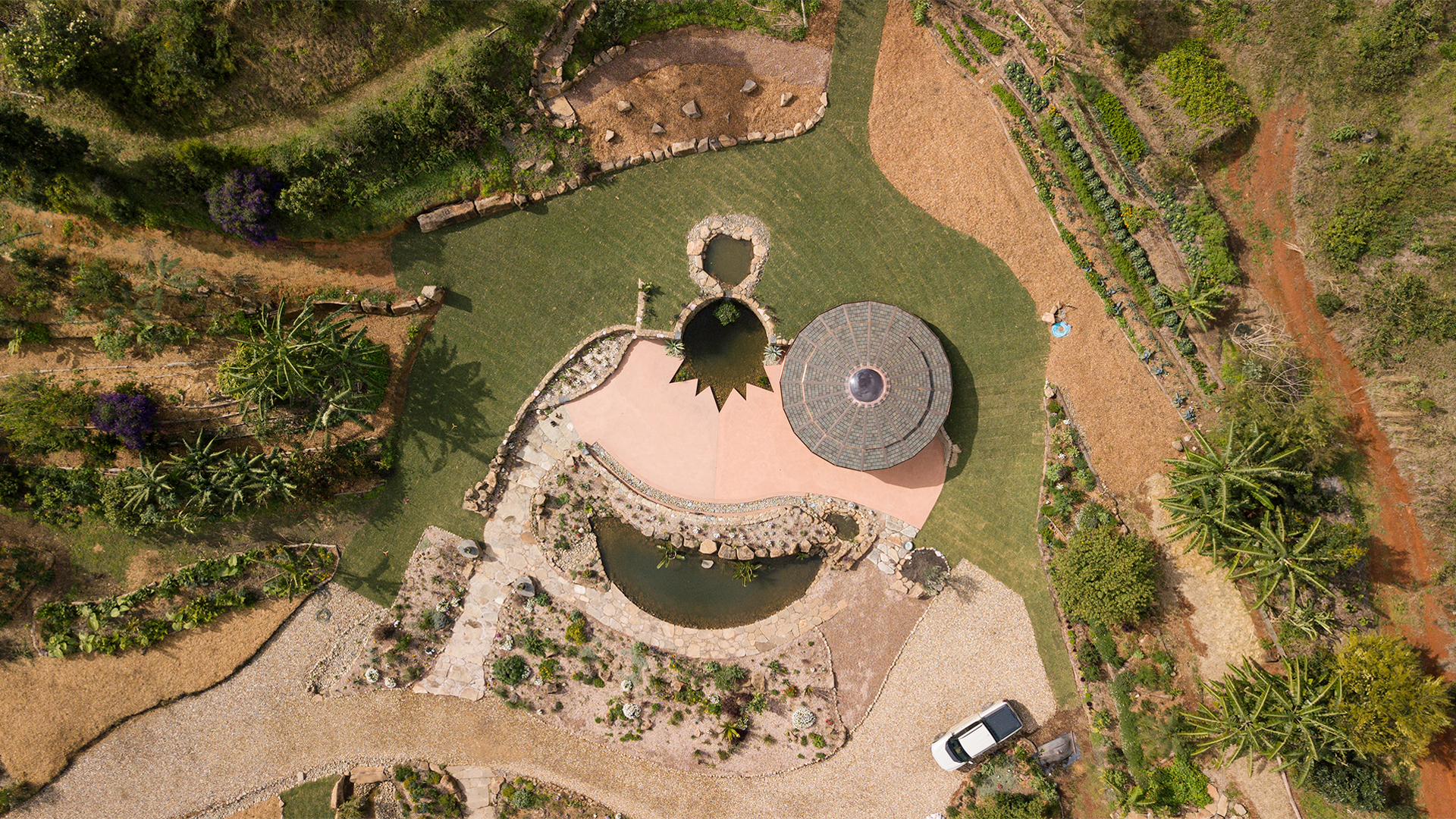
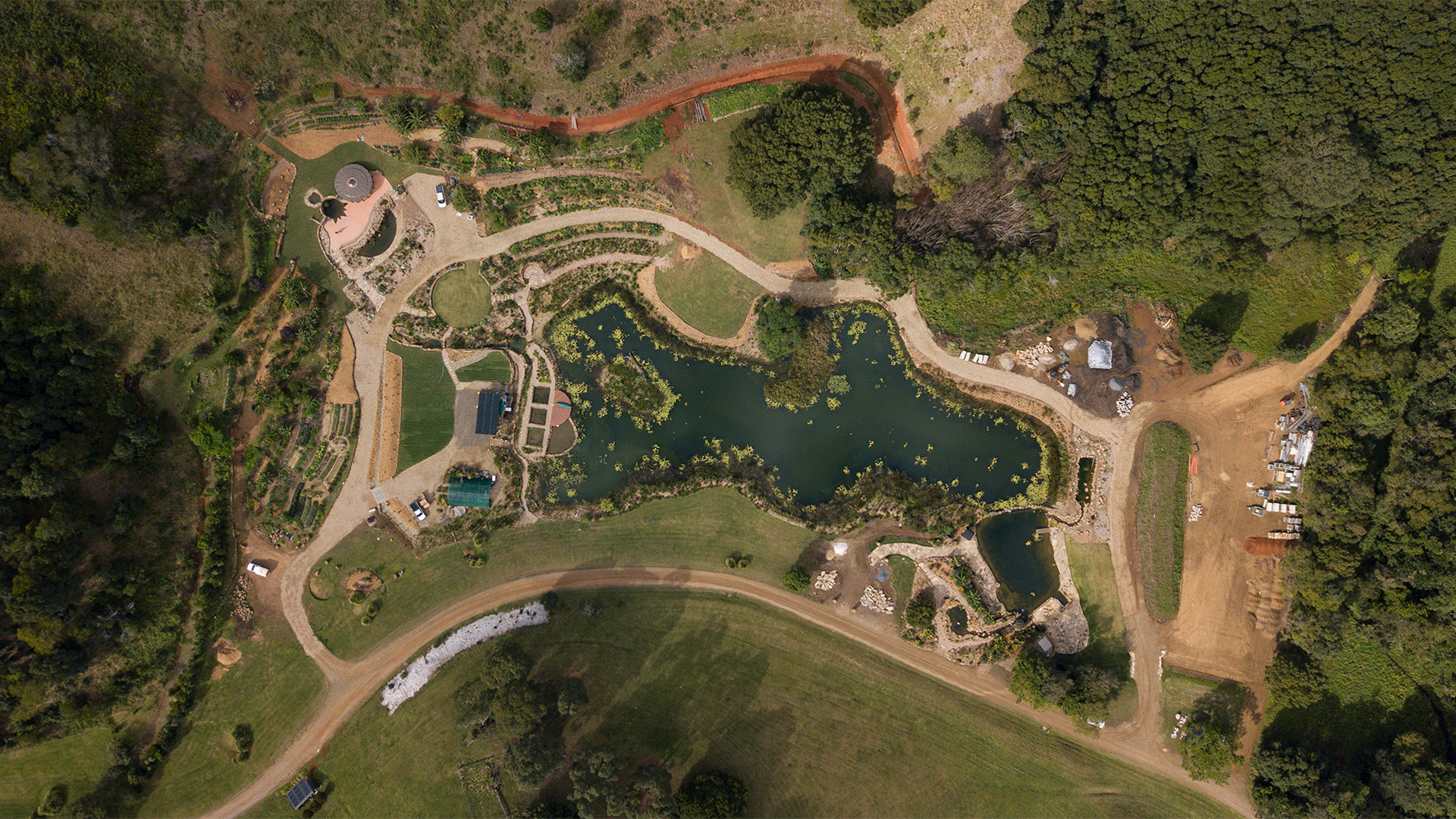
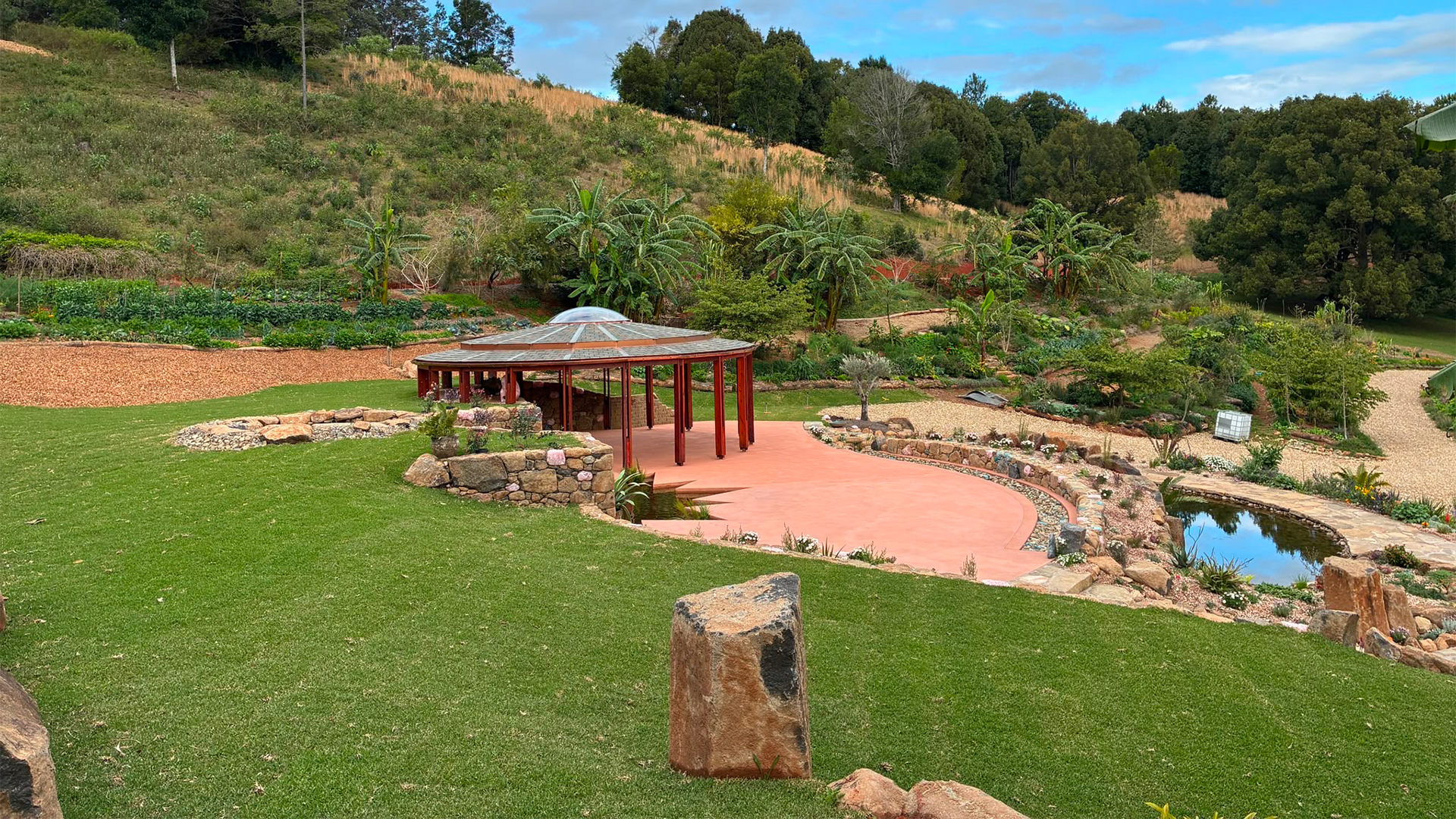
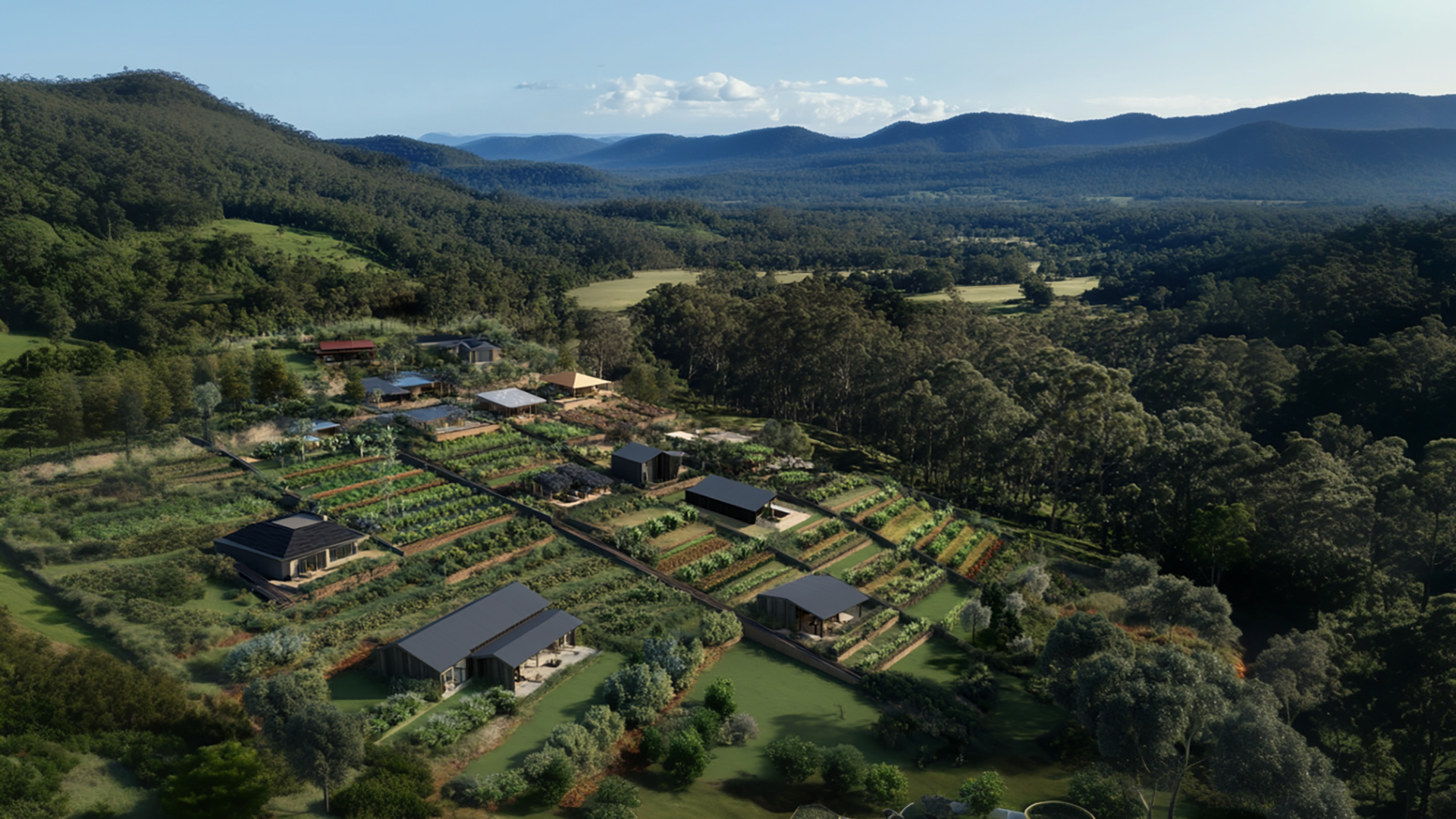
Flagship Project: Heartfield, Byron Shire, NSW
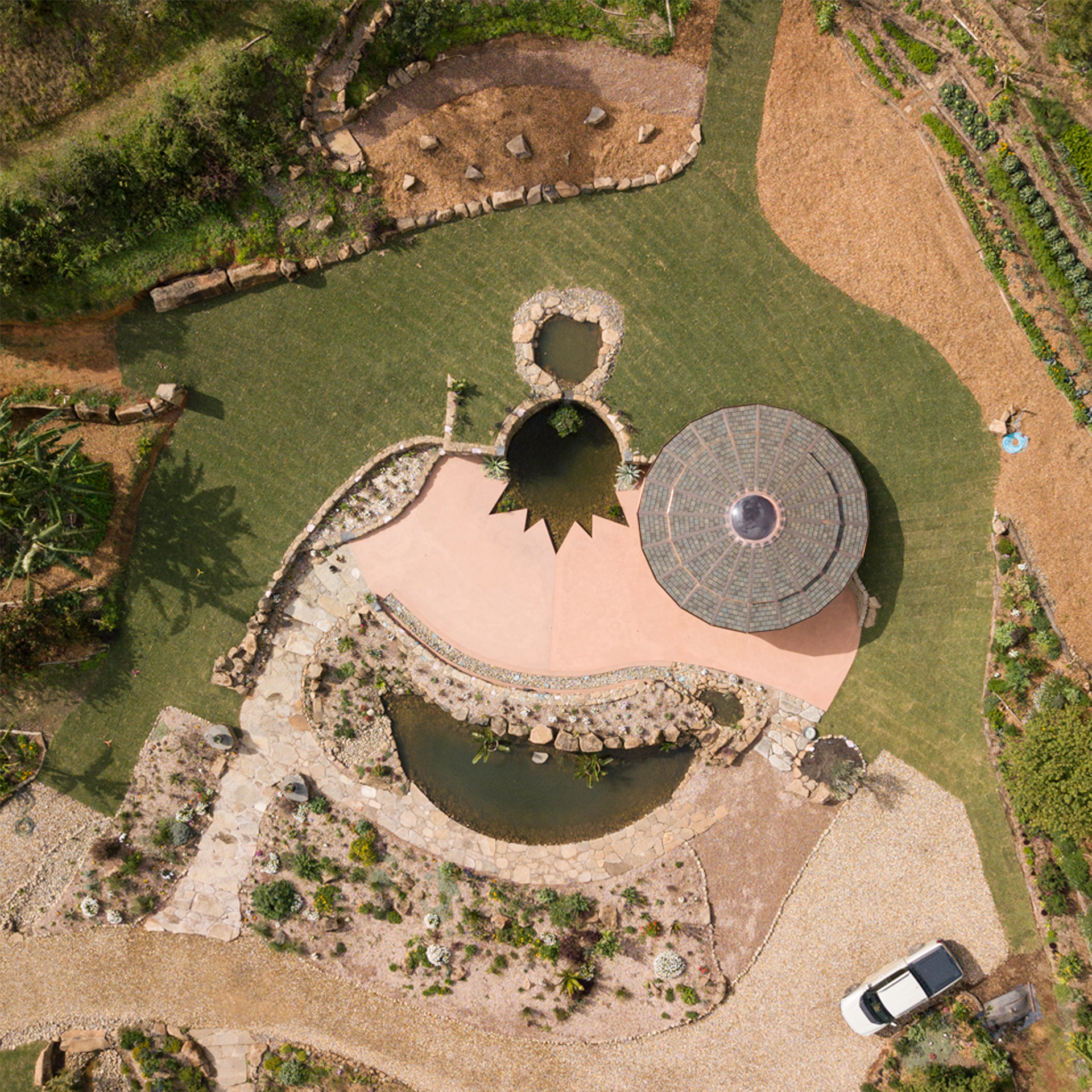
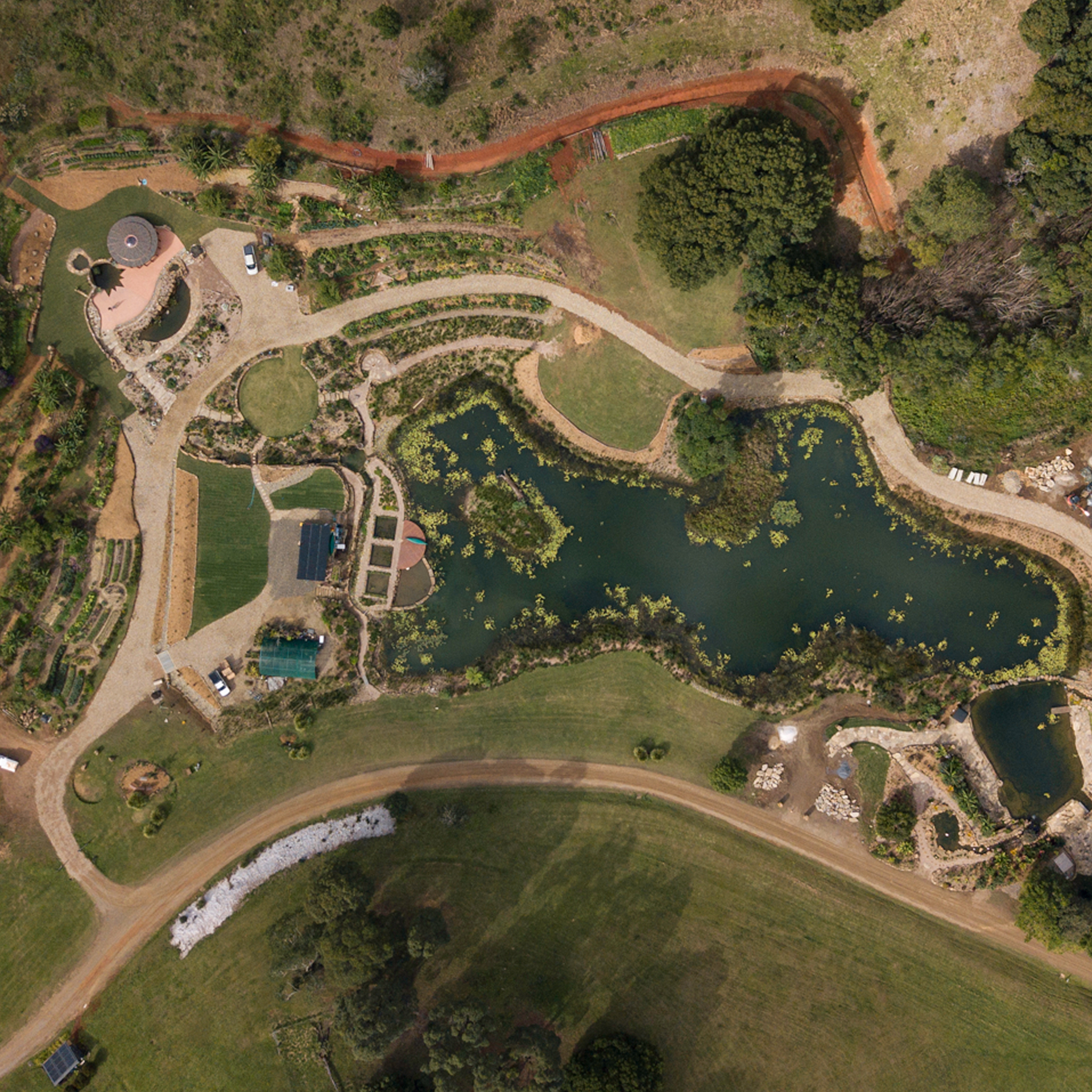
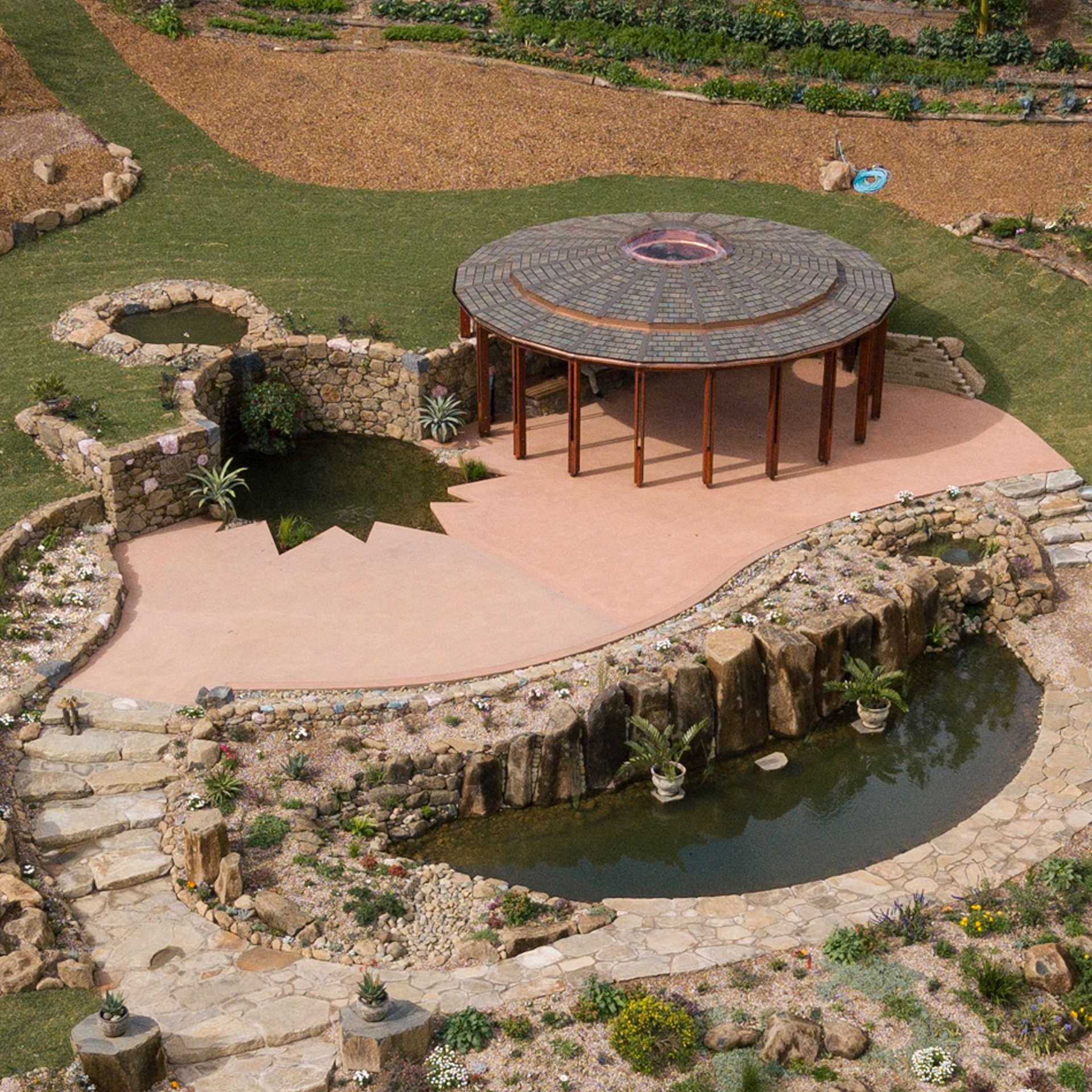
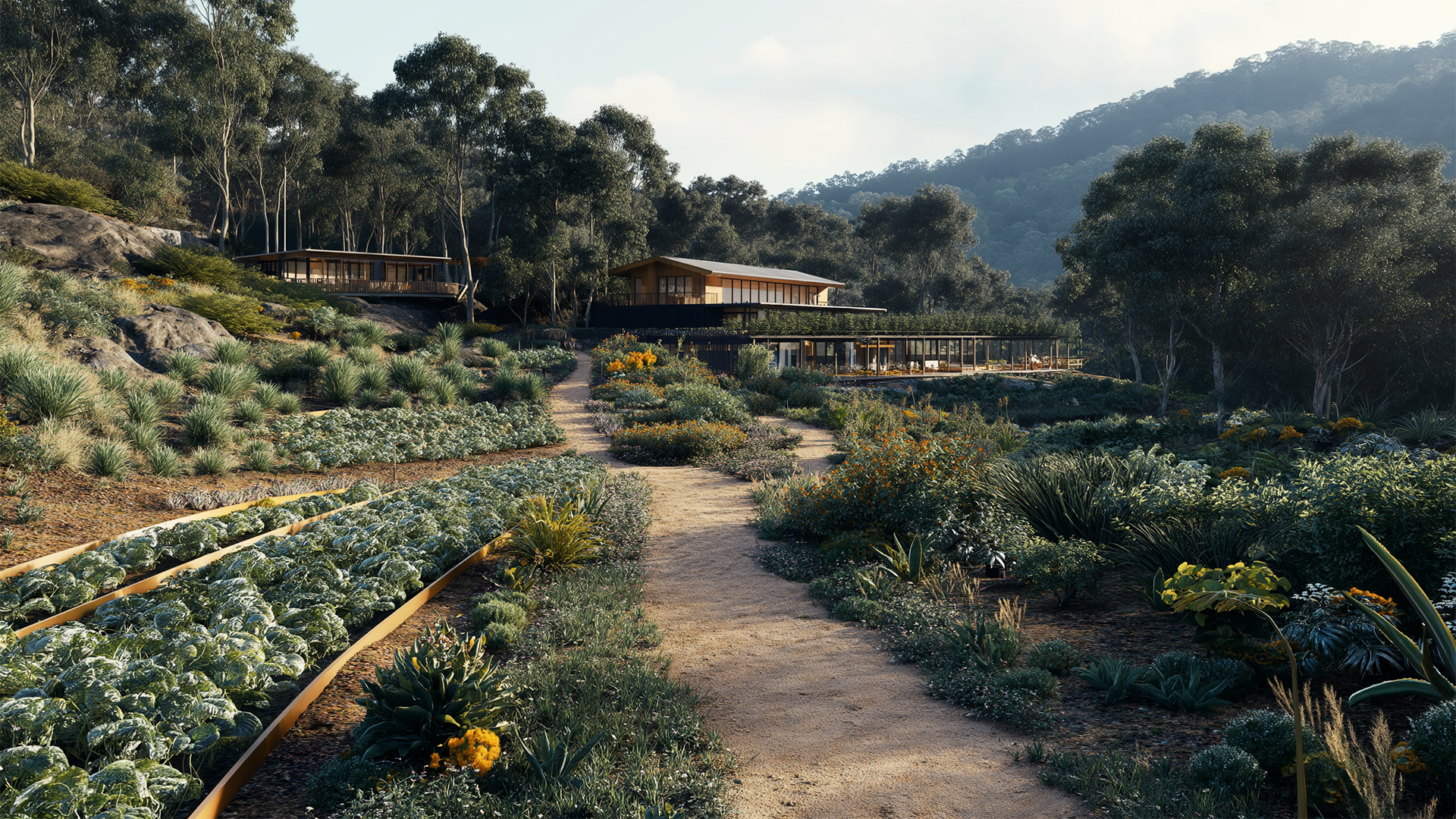
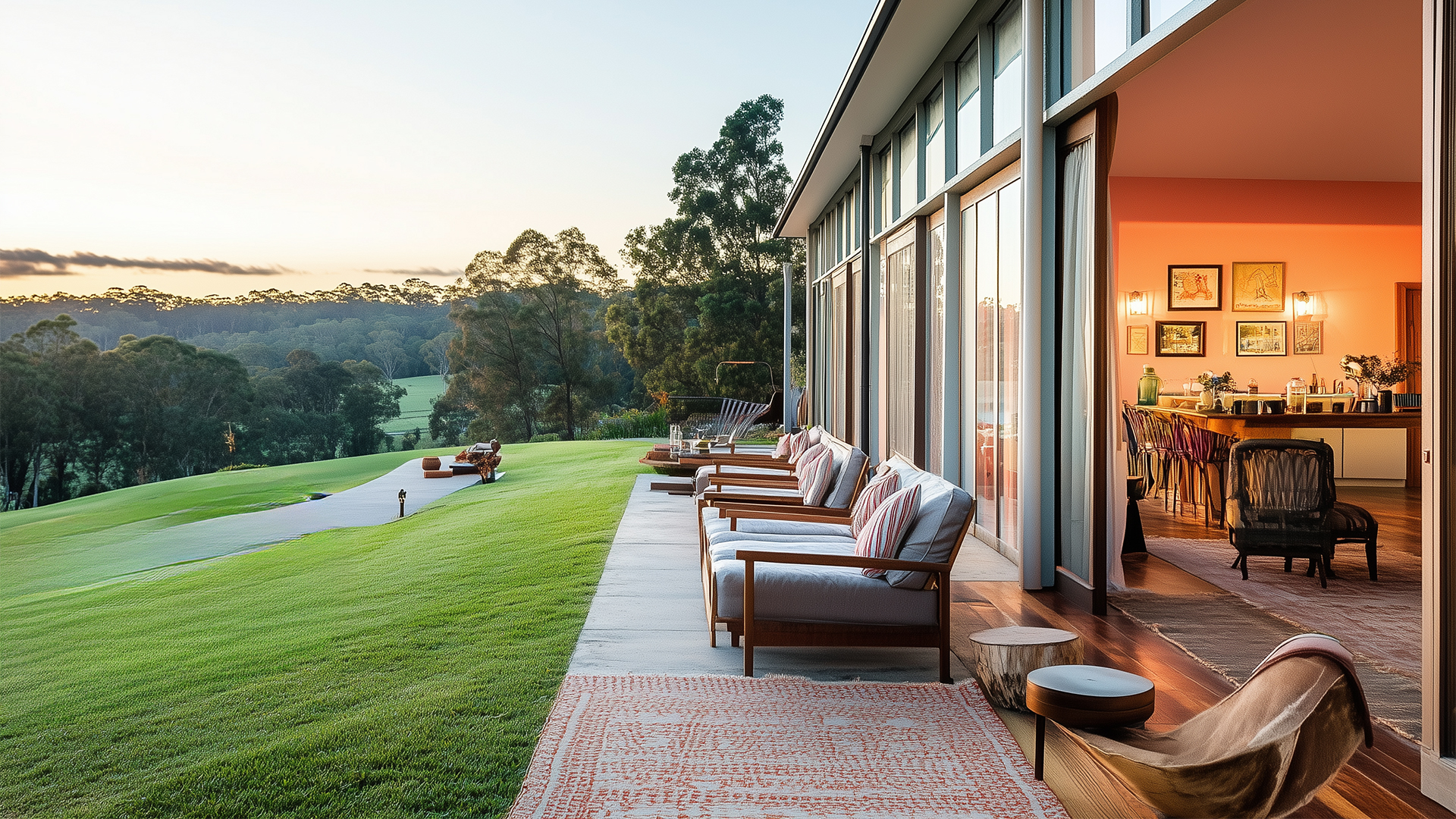
A regenerative wellness community built on the ROOTS Wellness Real Estate model, in active development now. Heartfield is where the framework gets tested against real land, real planning constraints, and real people, before it’s offered to anyone else.
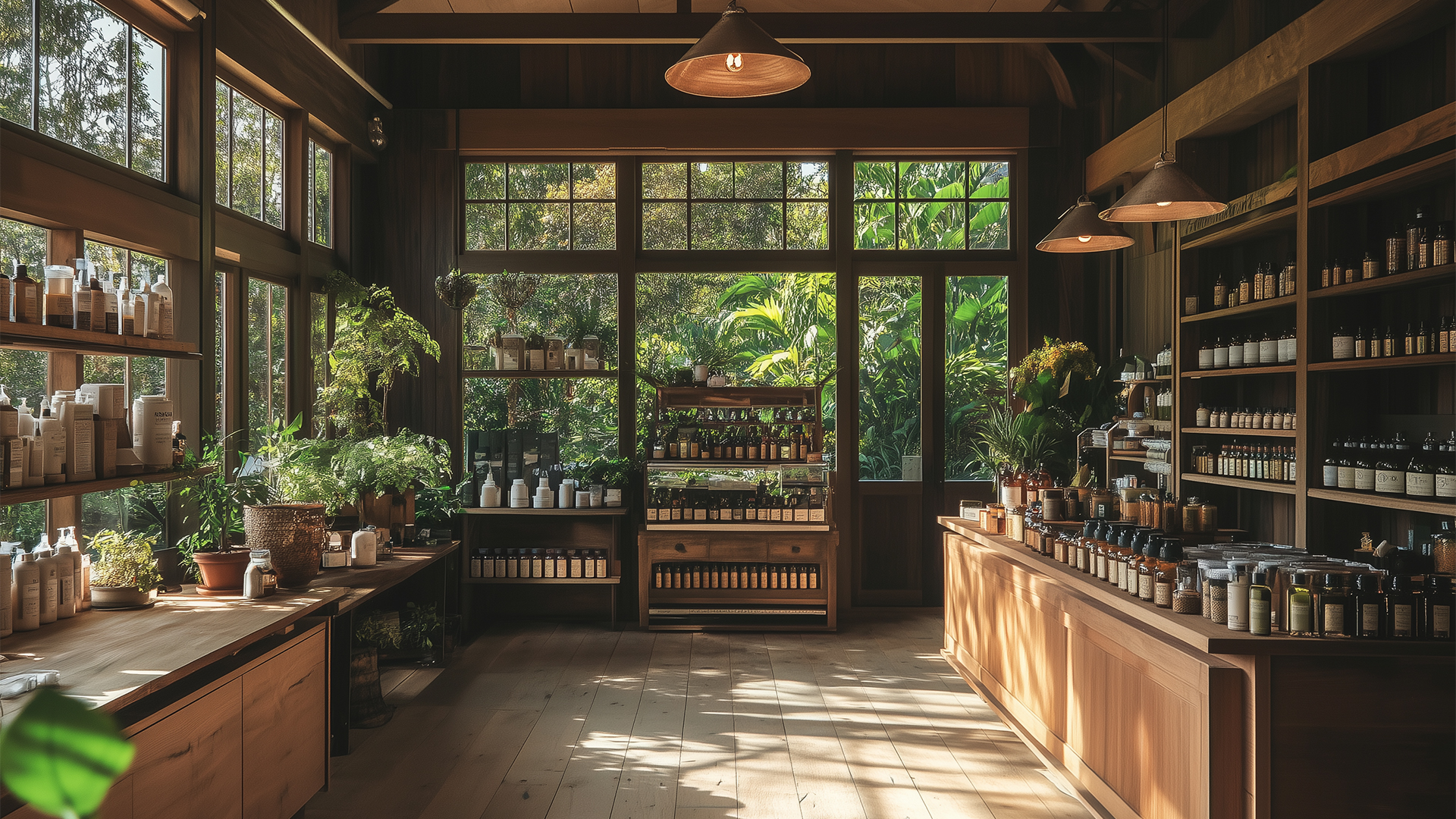
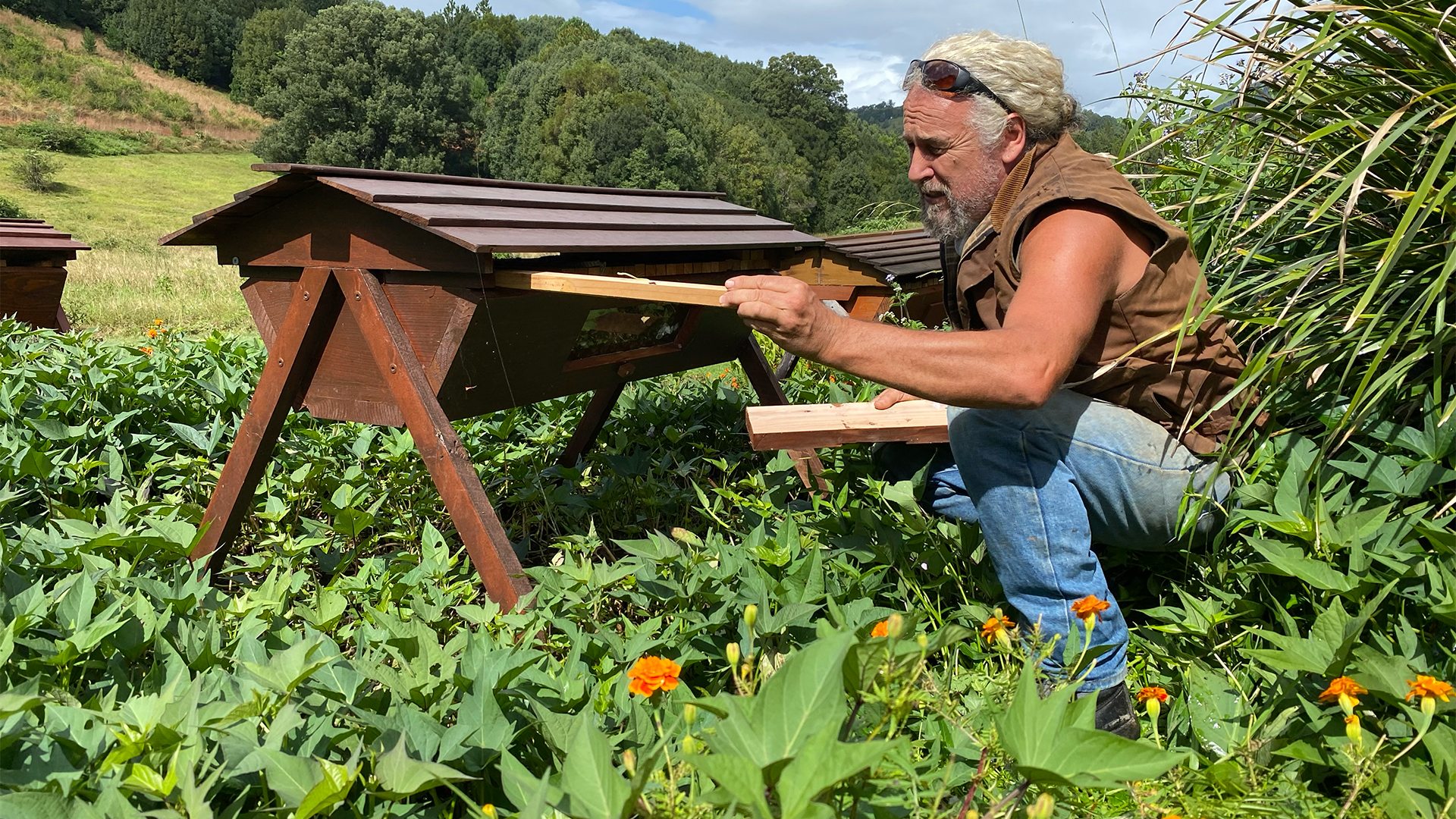


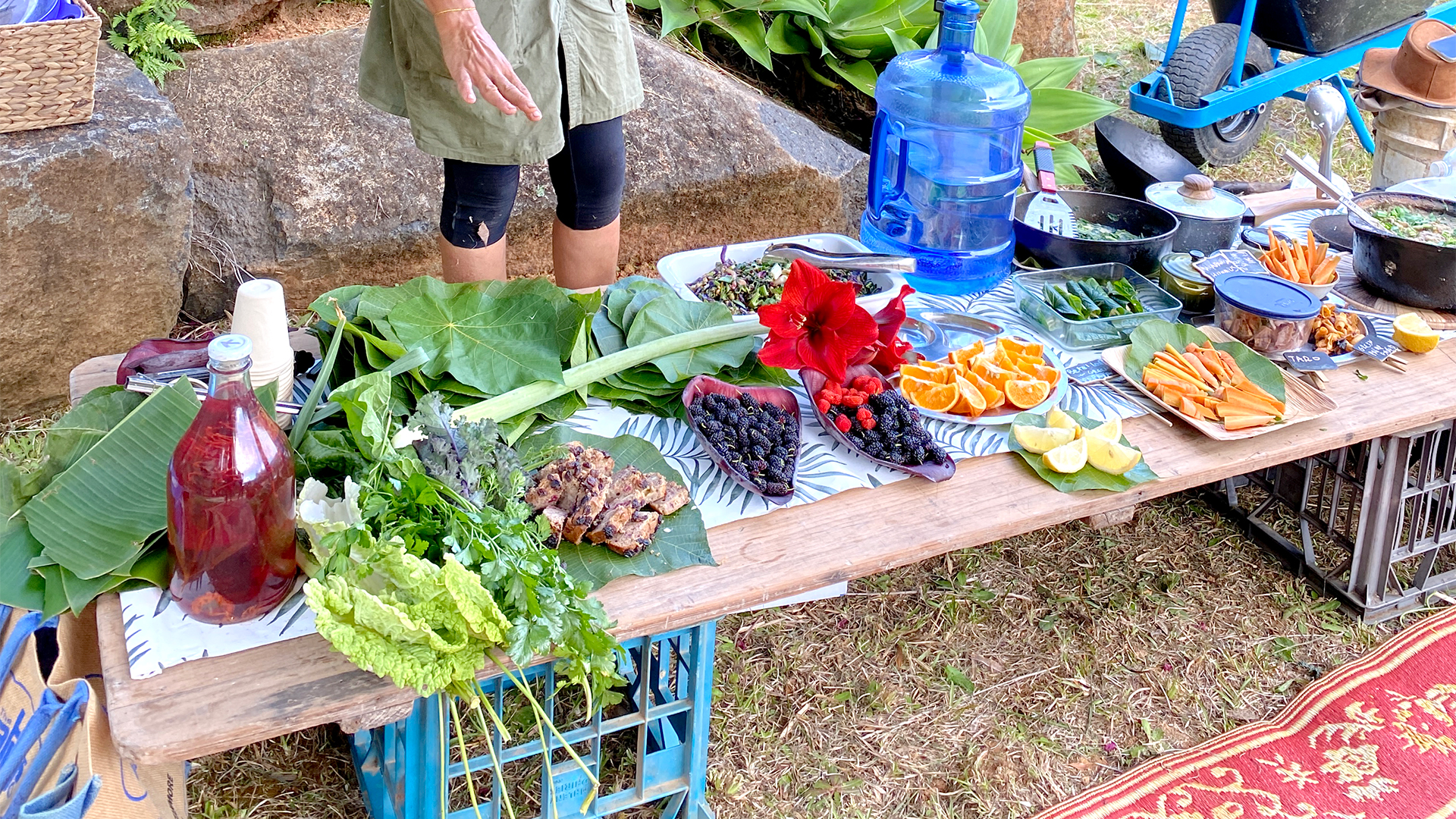
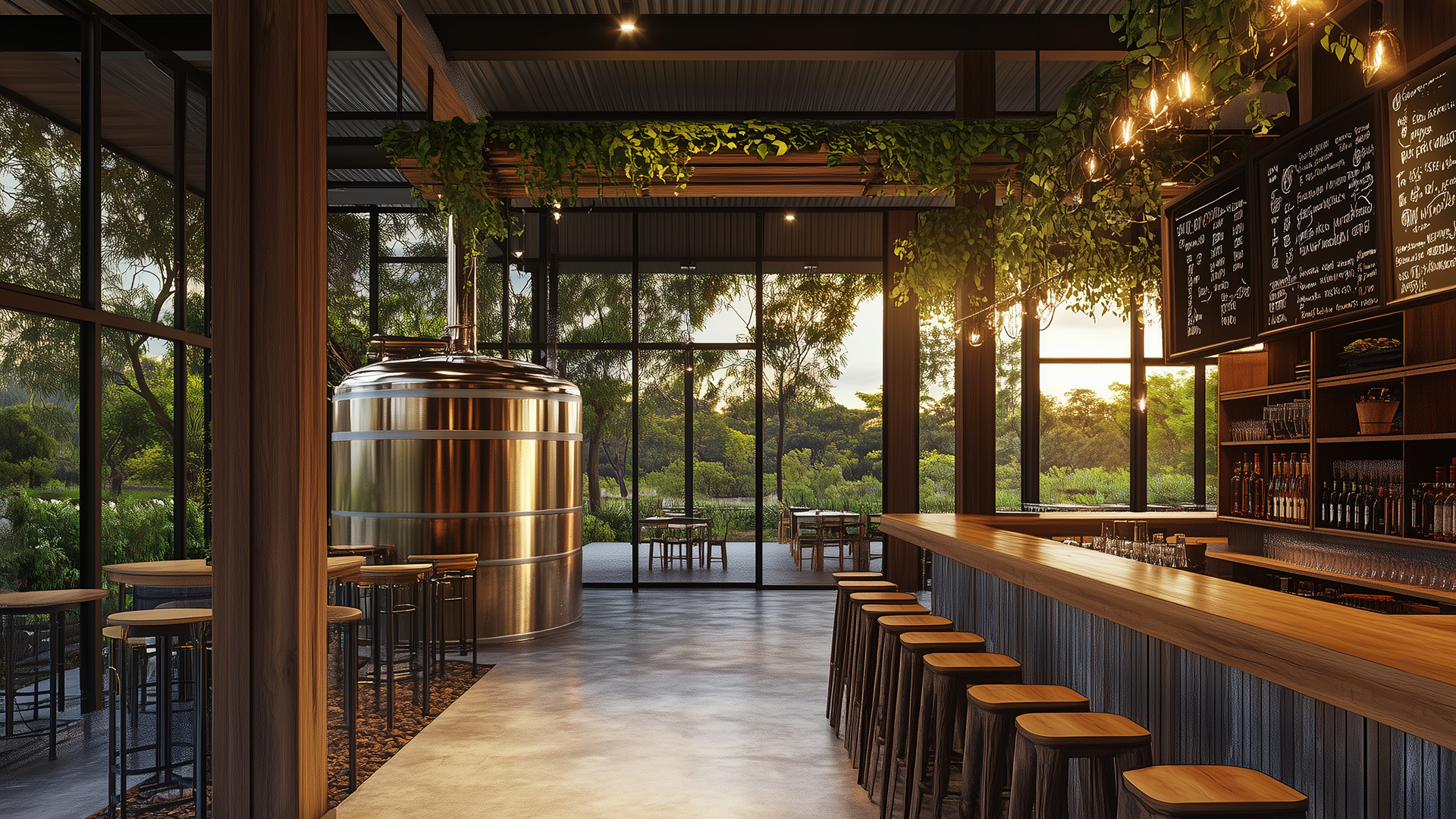

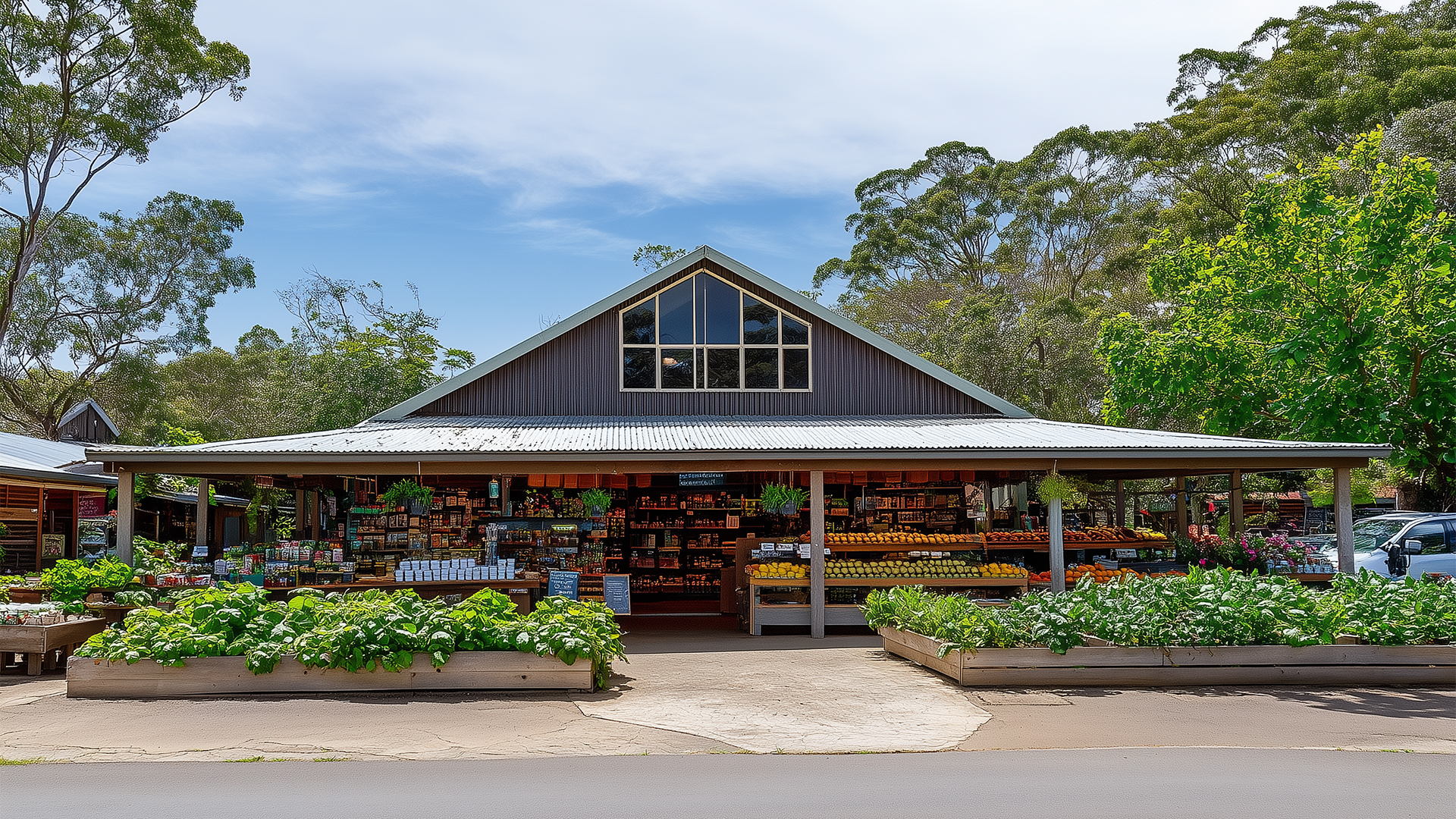
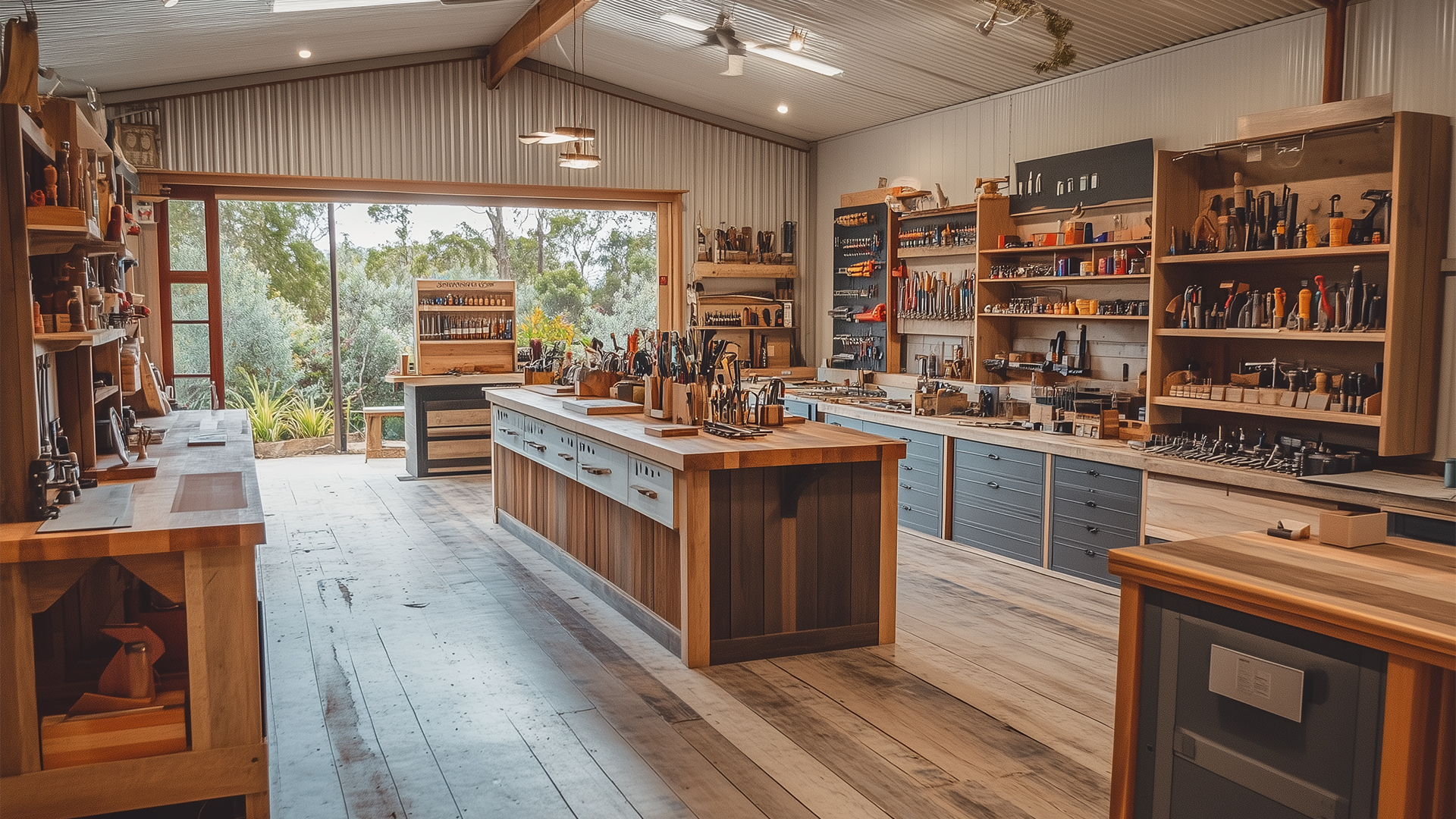
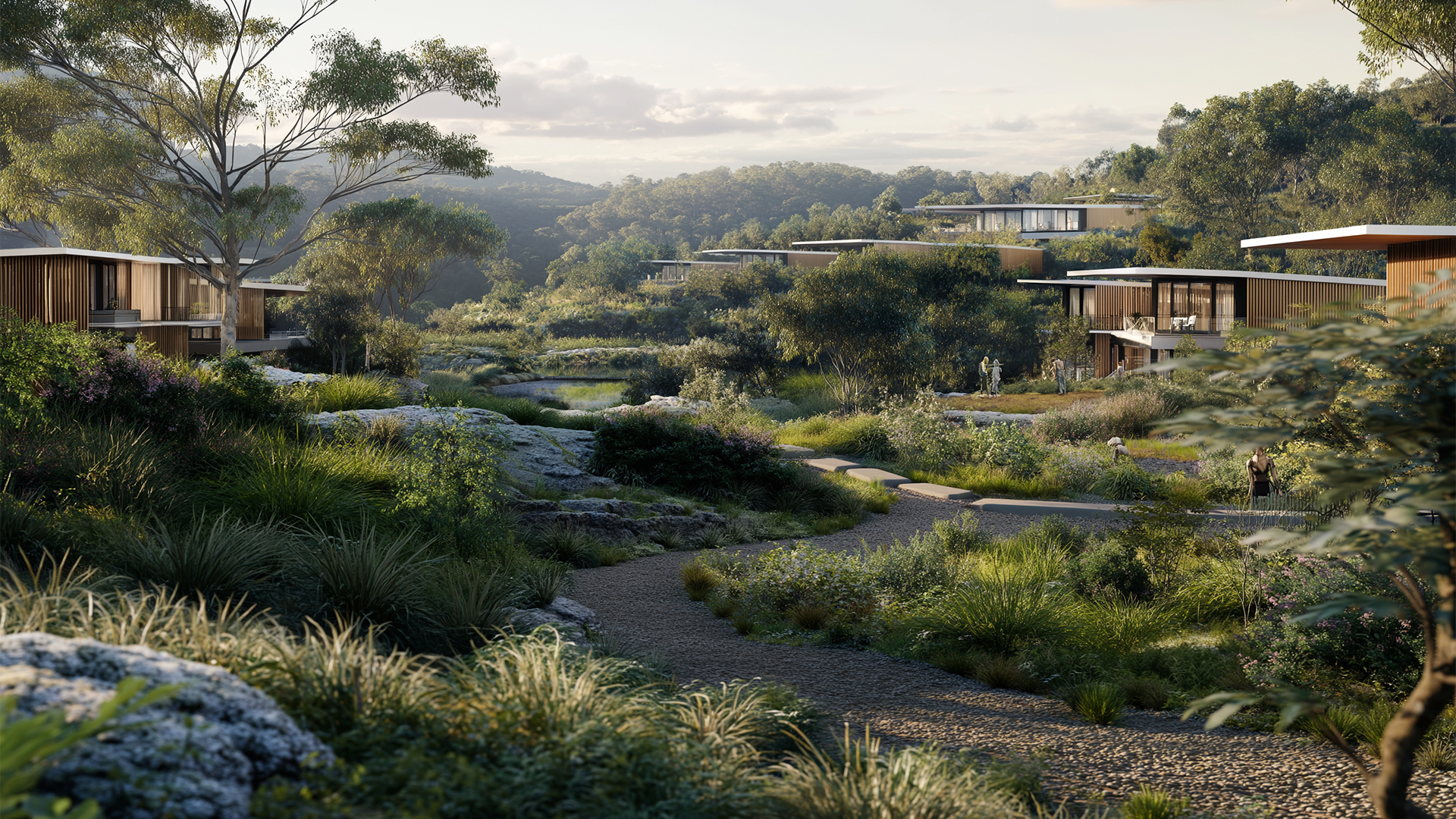
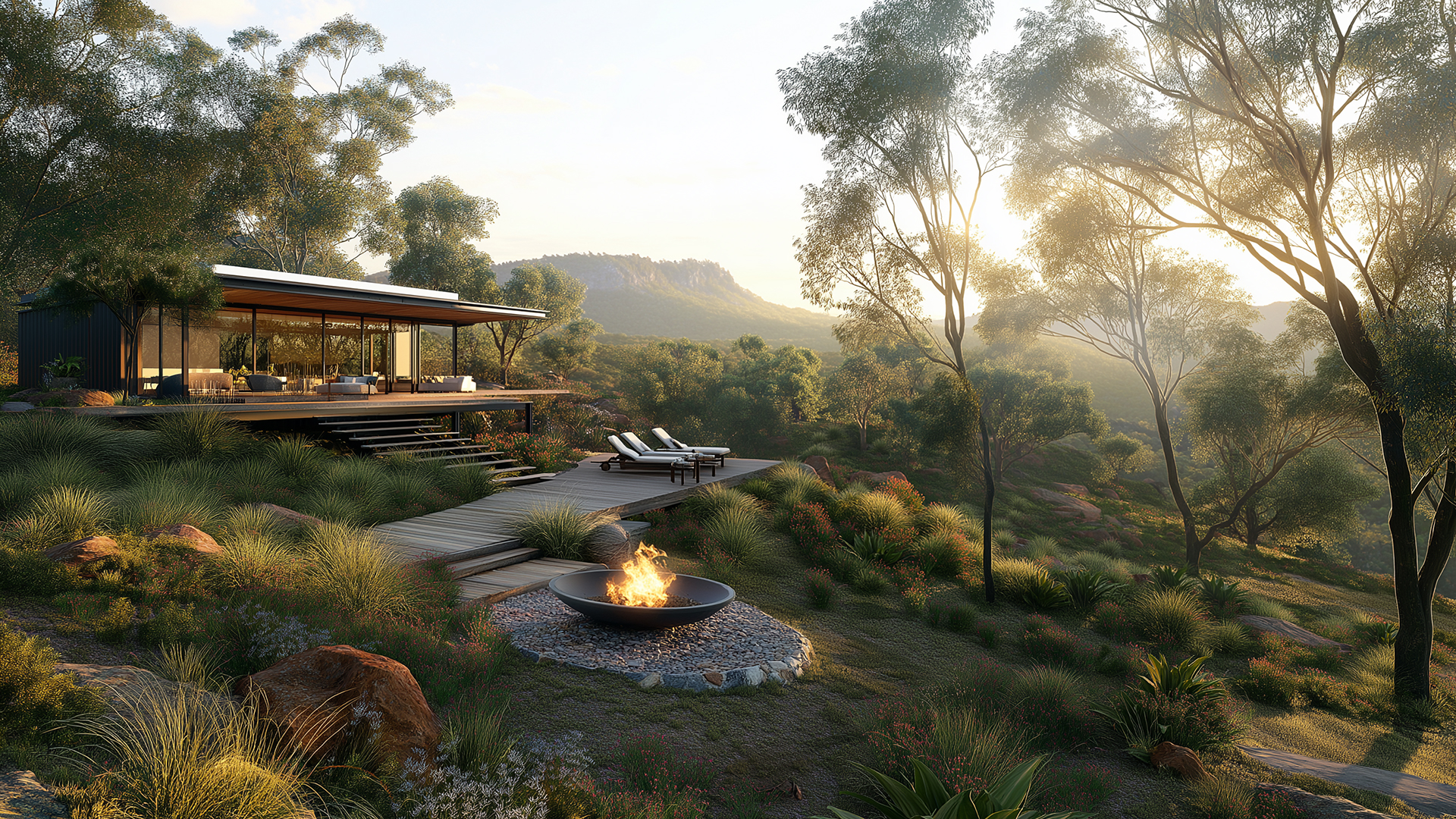
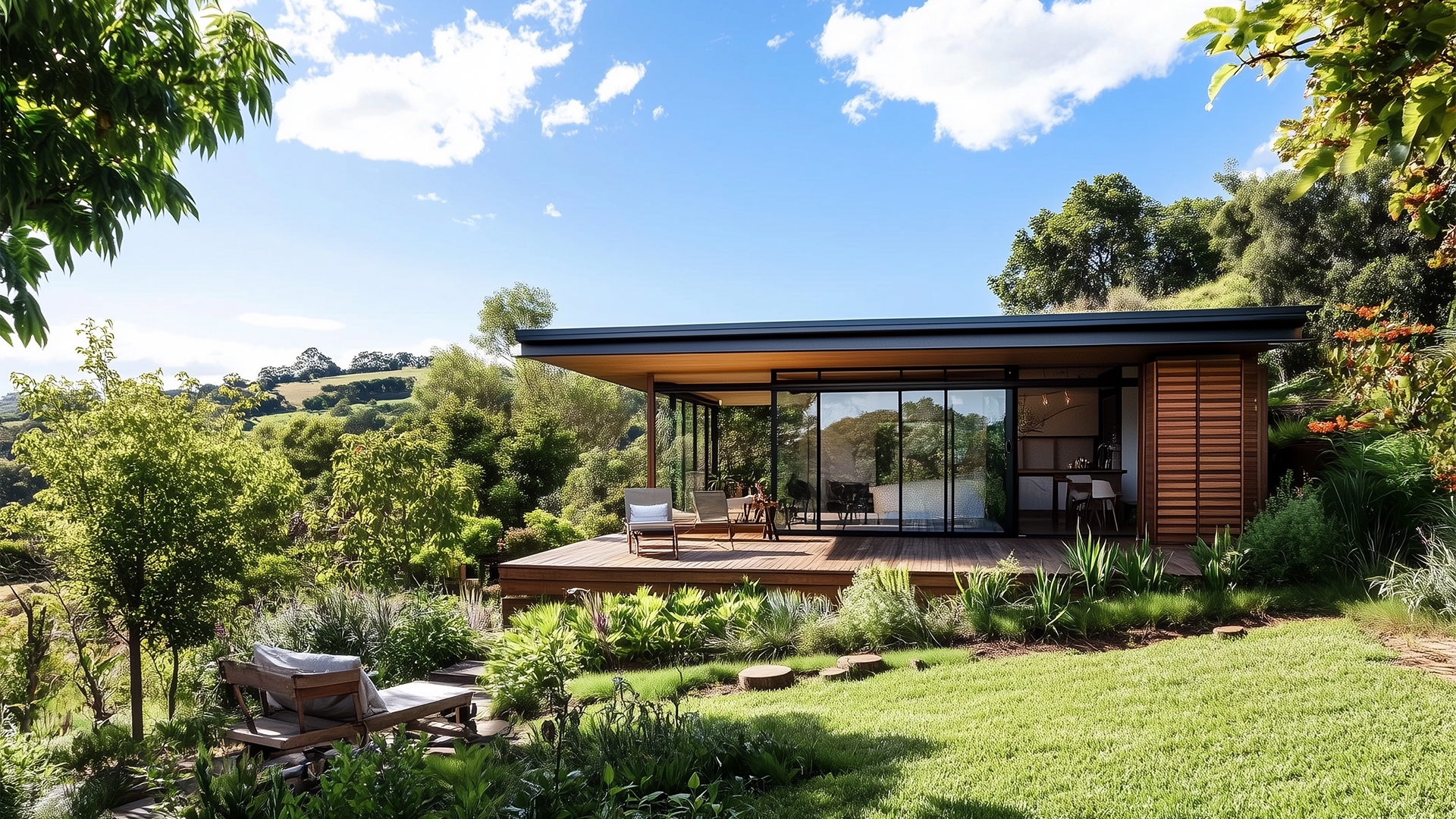
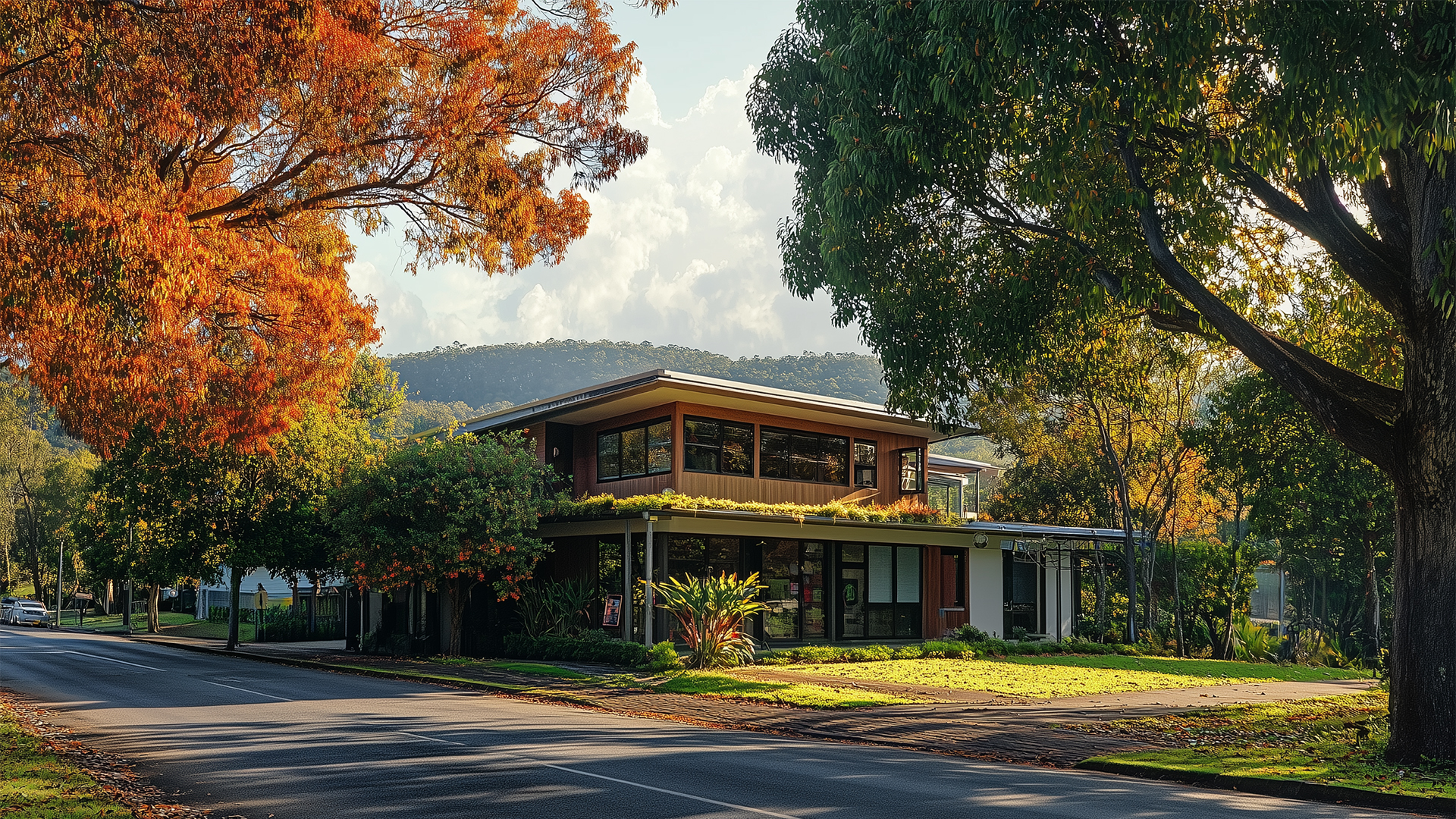

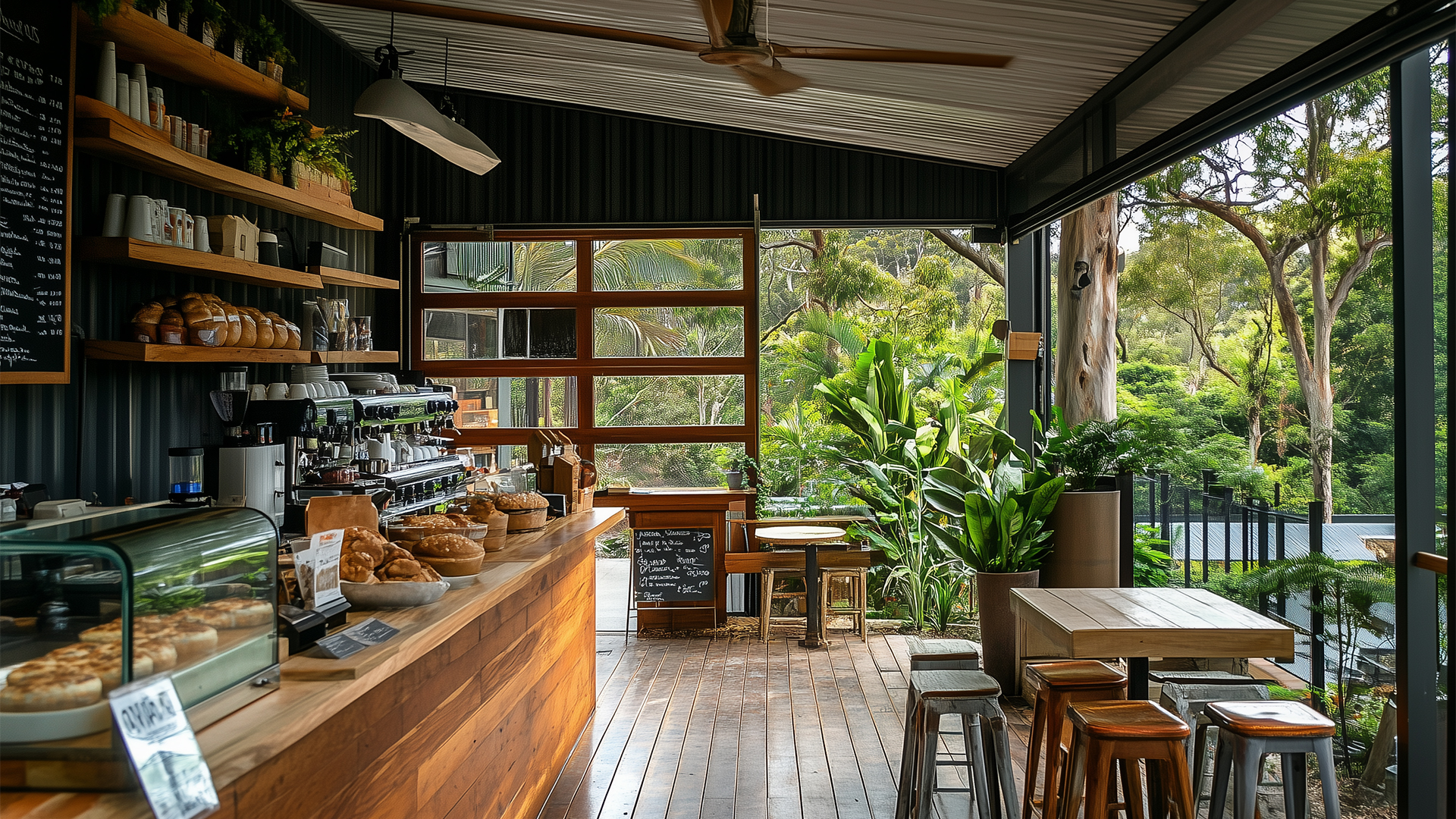
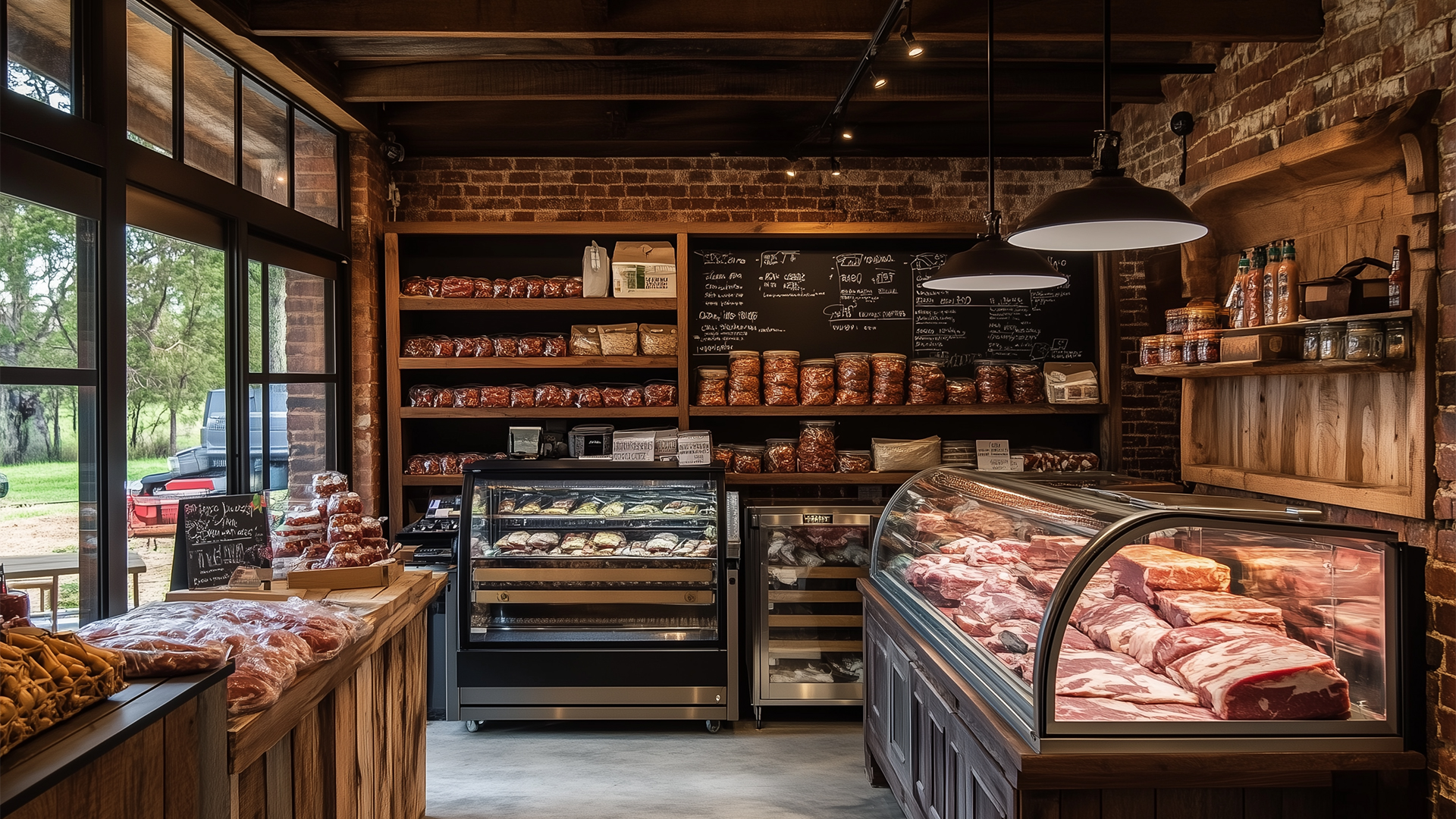
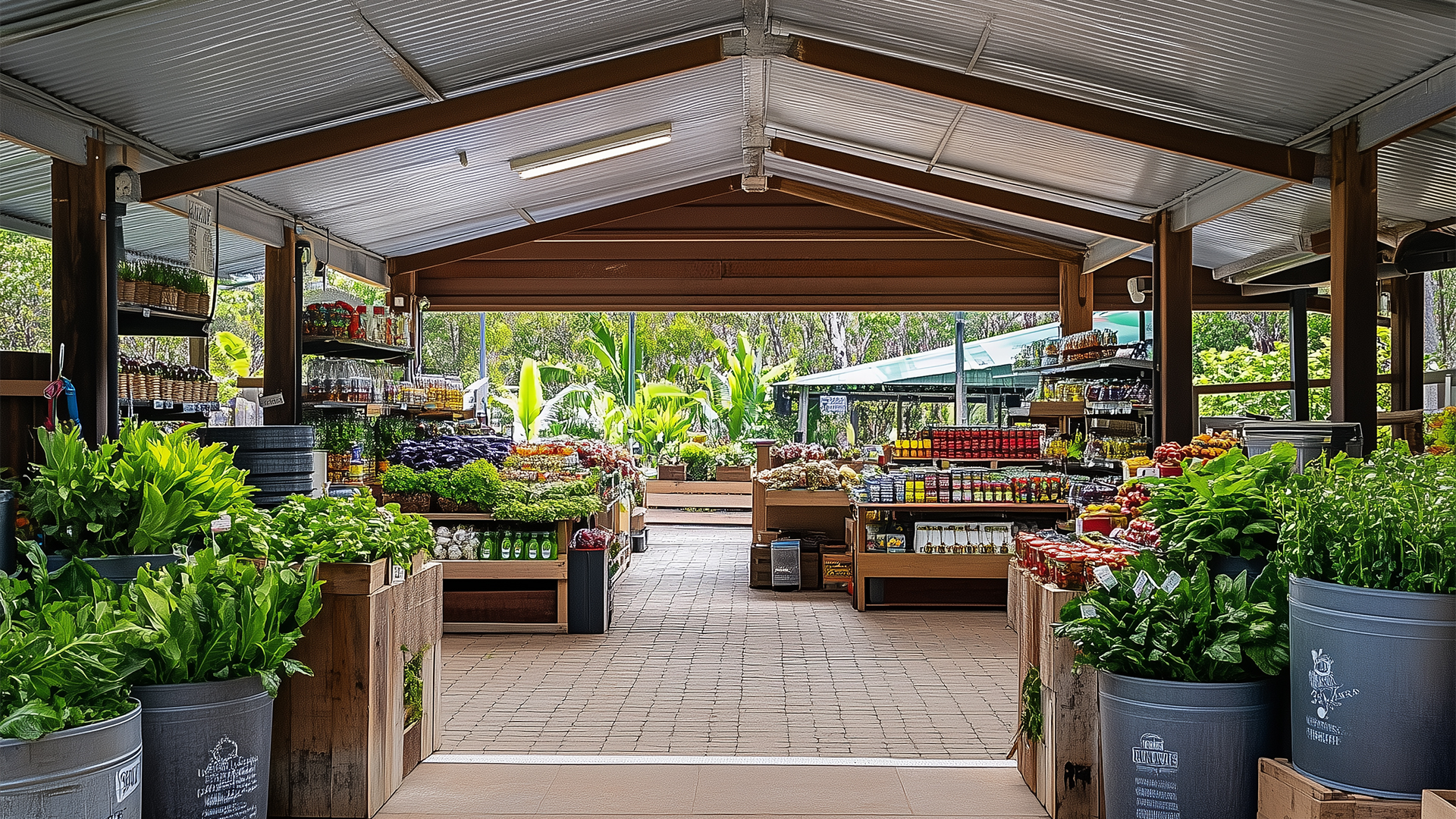
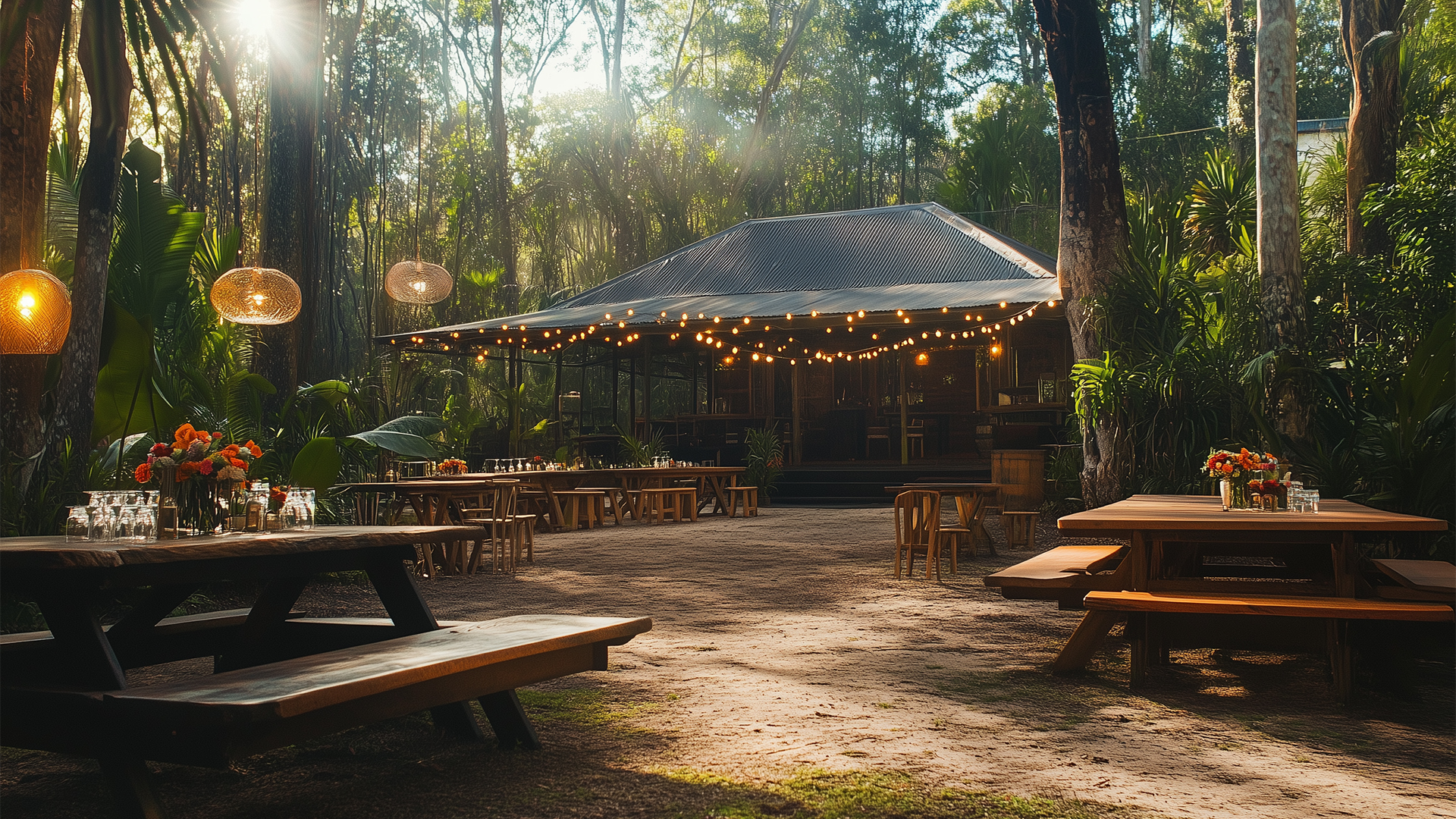
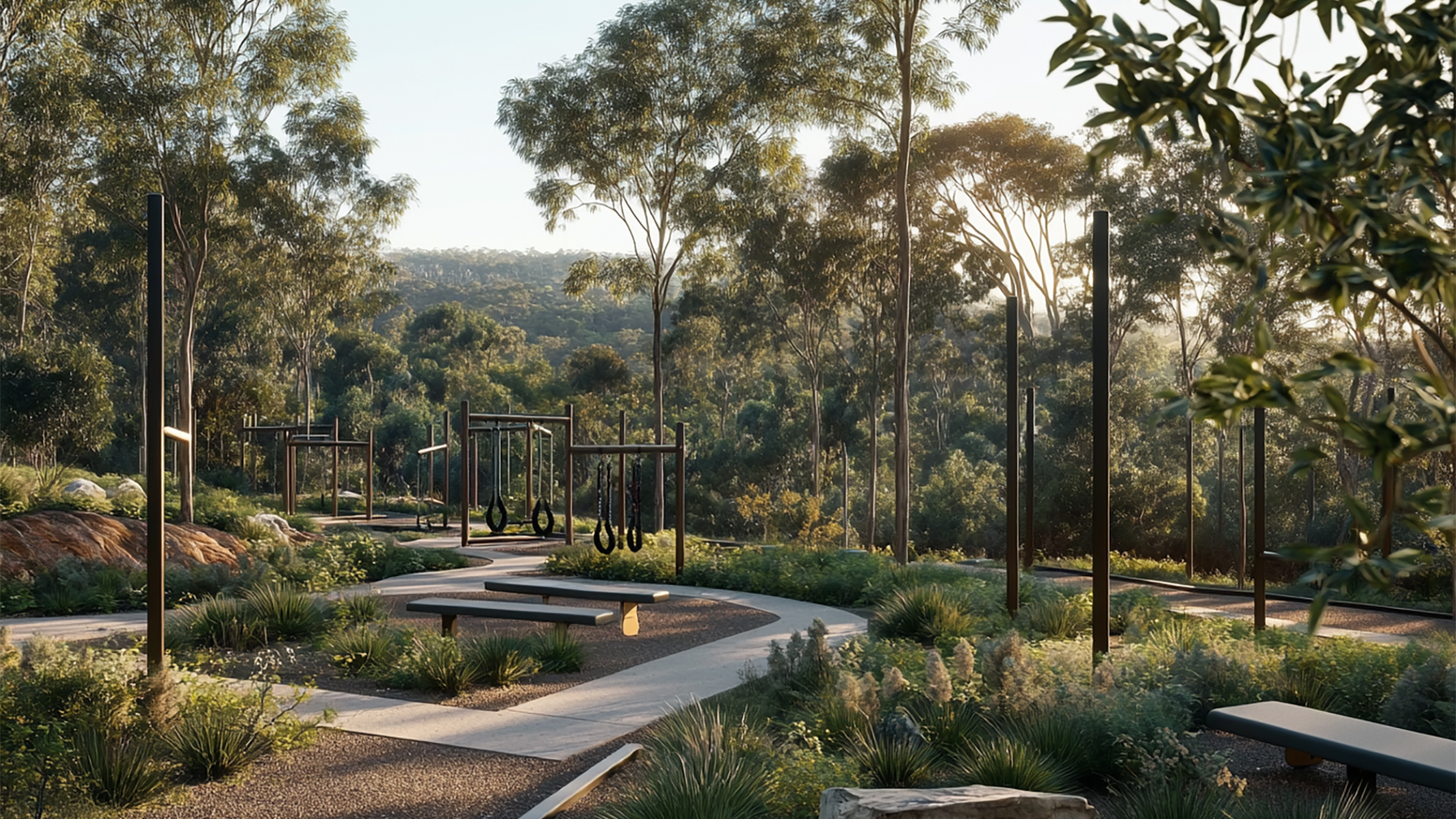
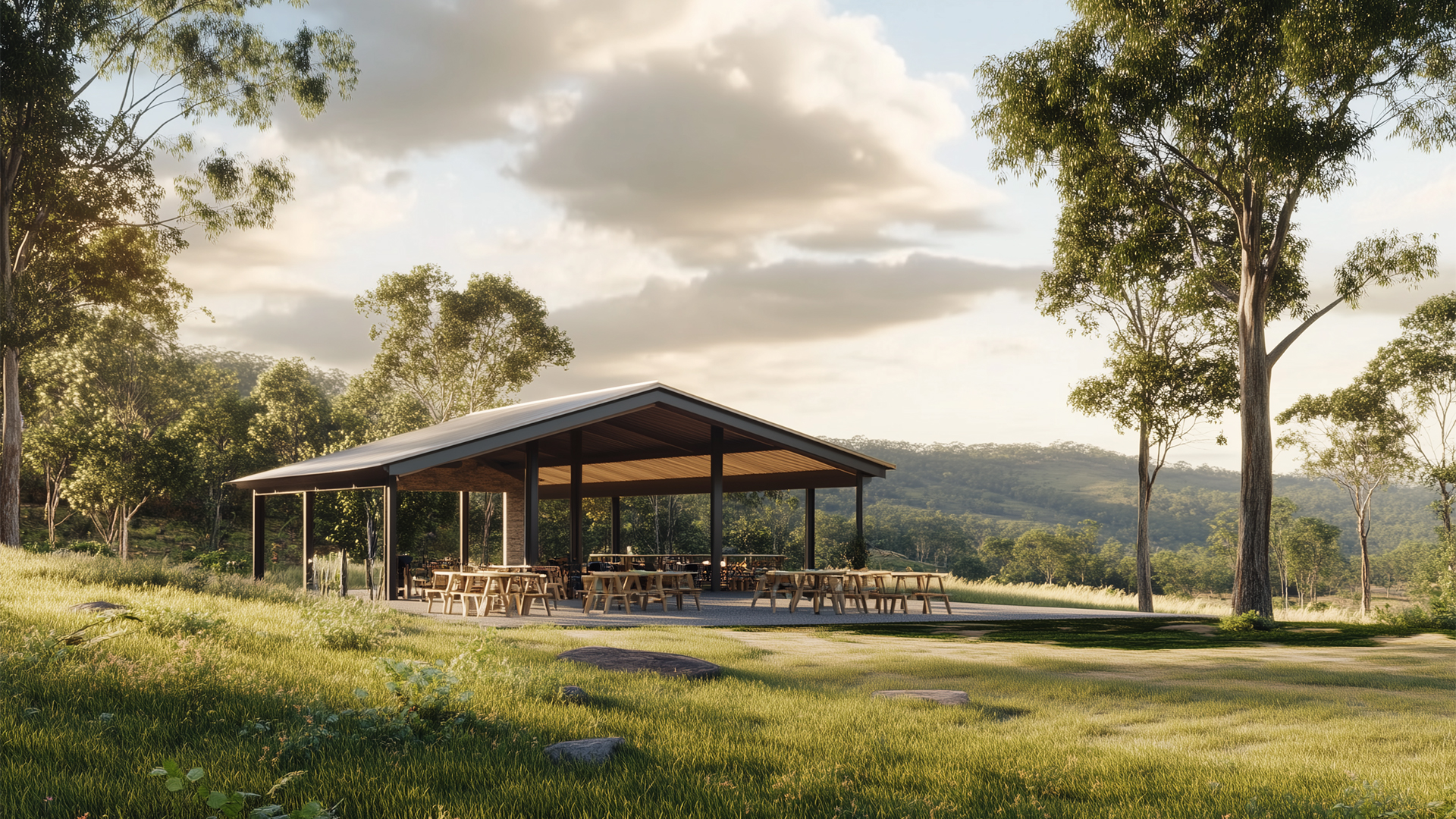
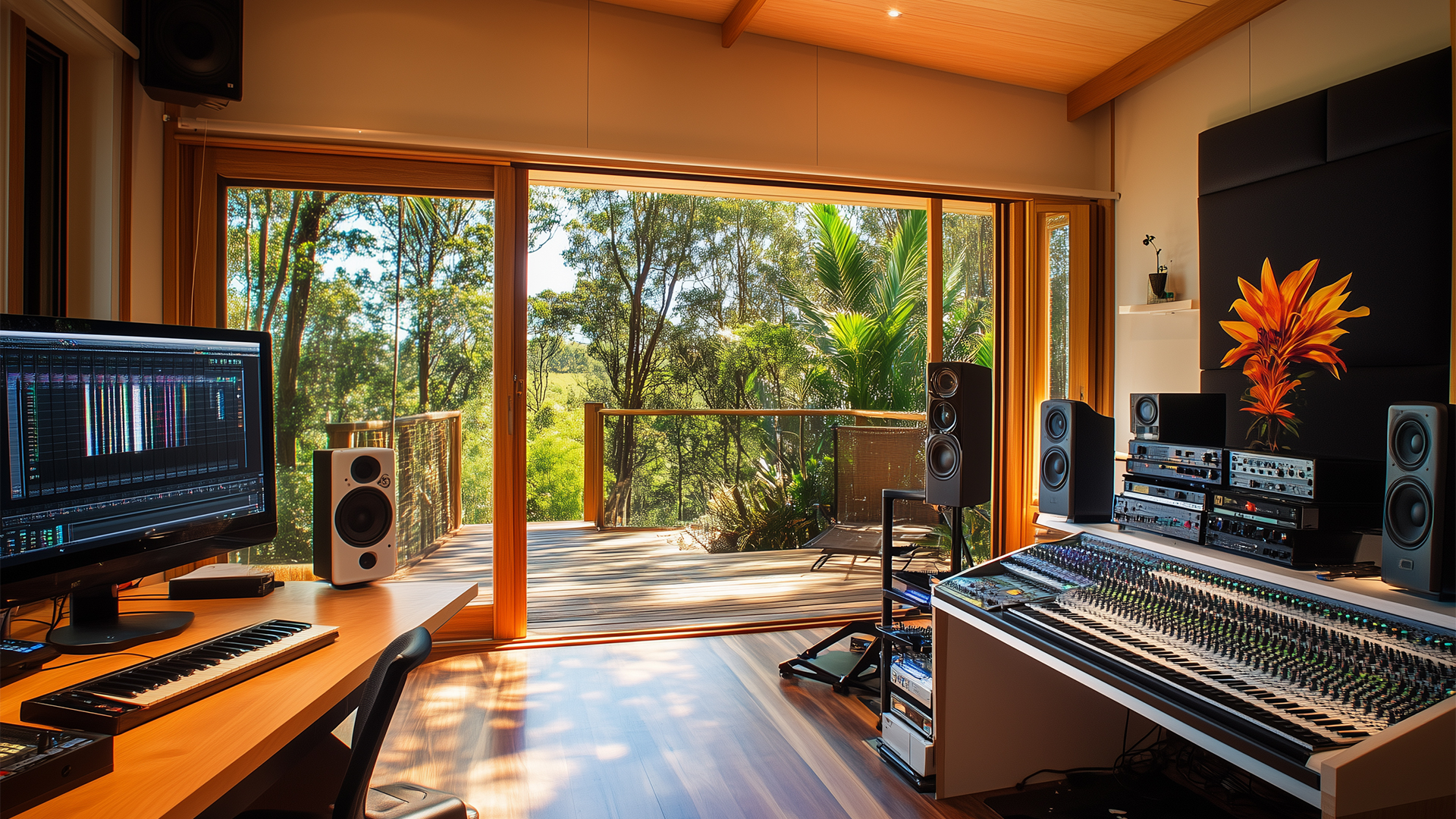
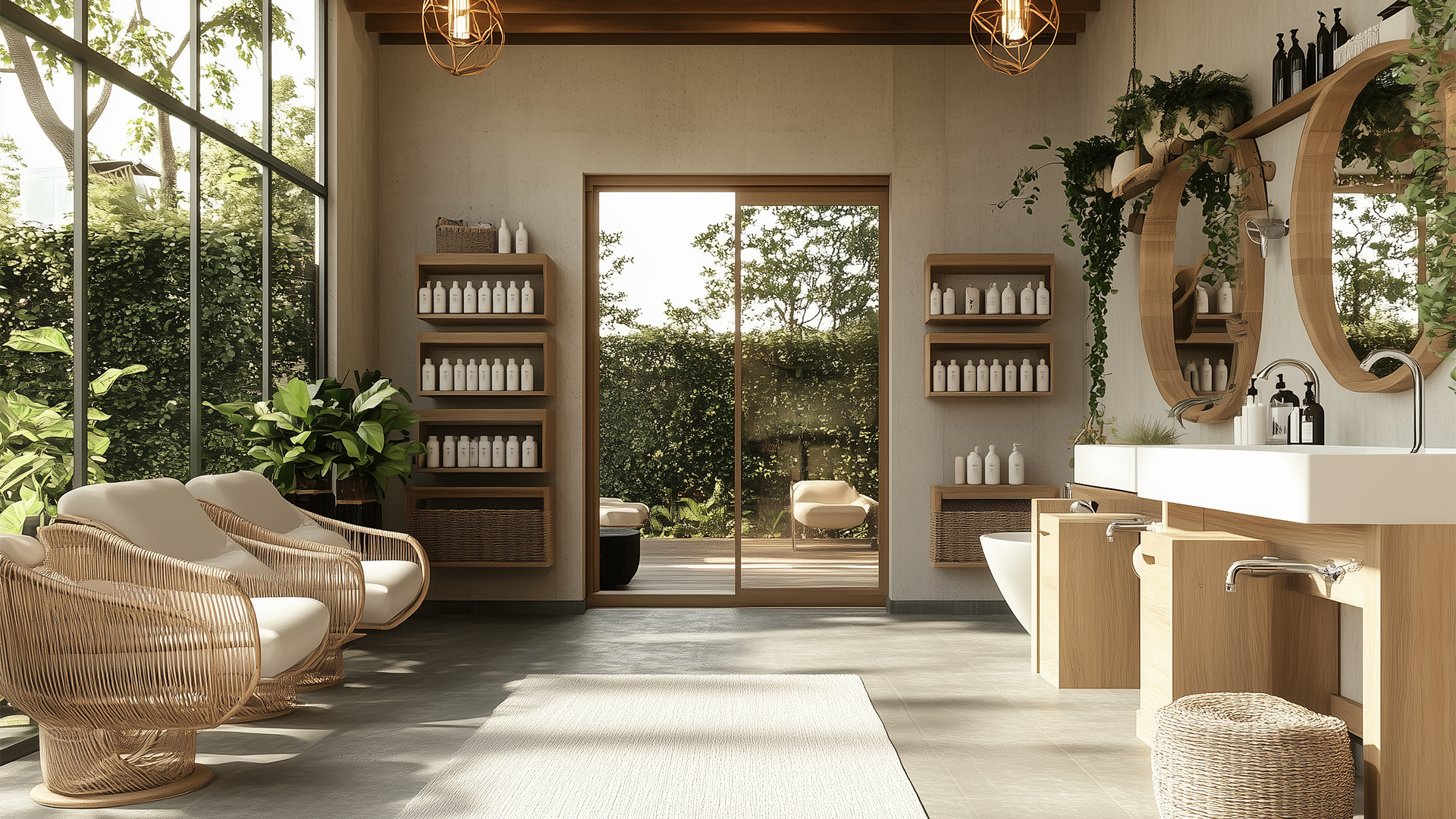

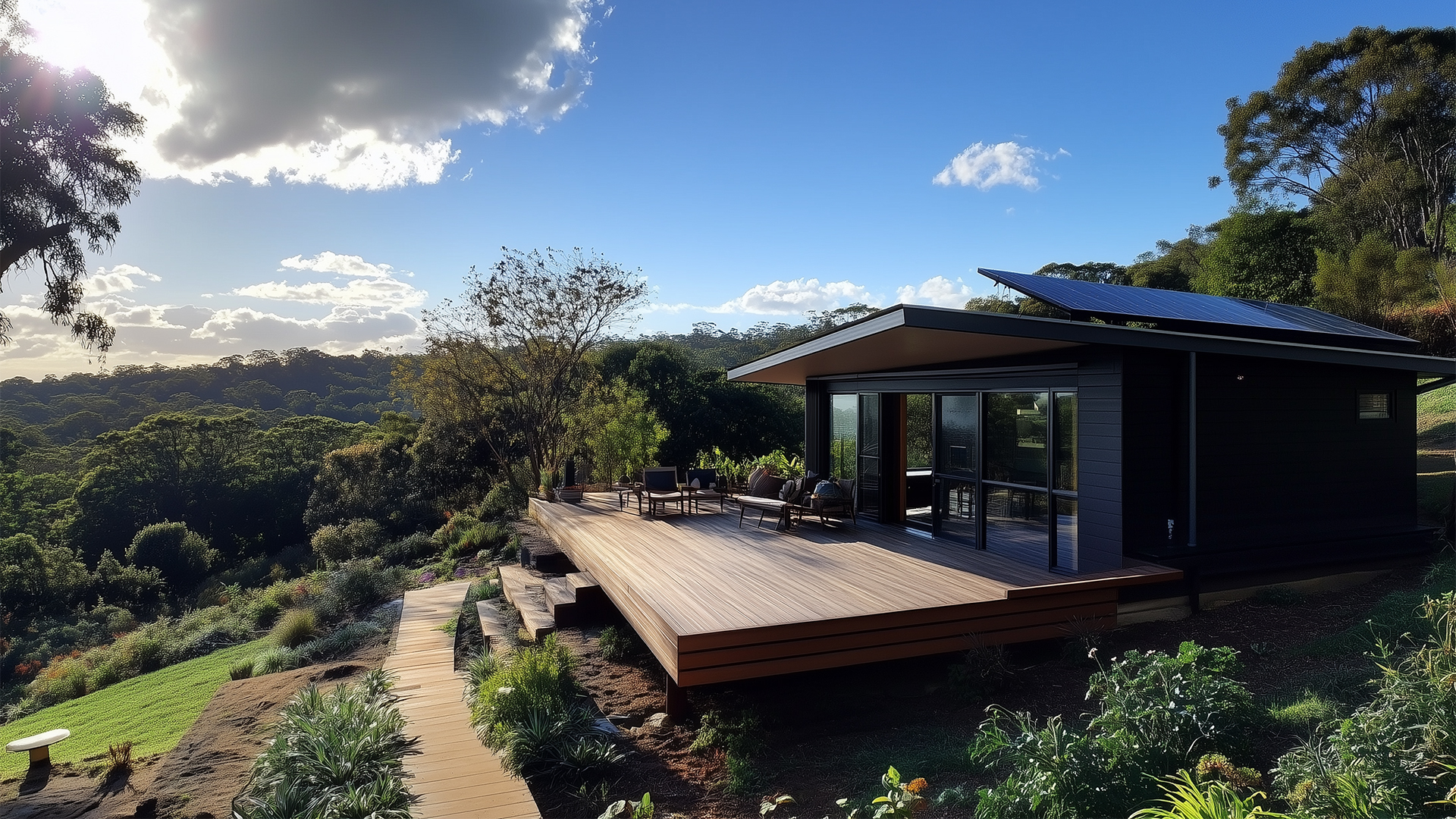
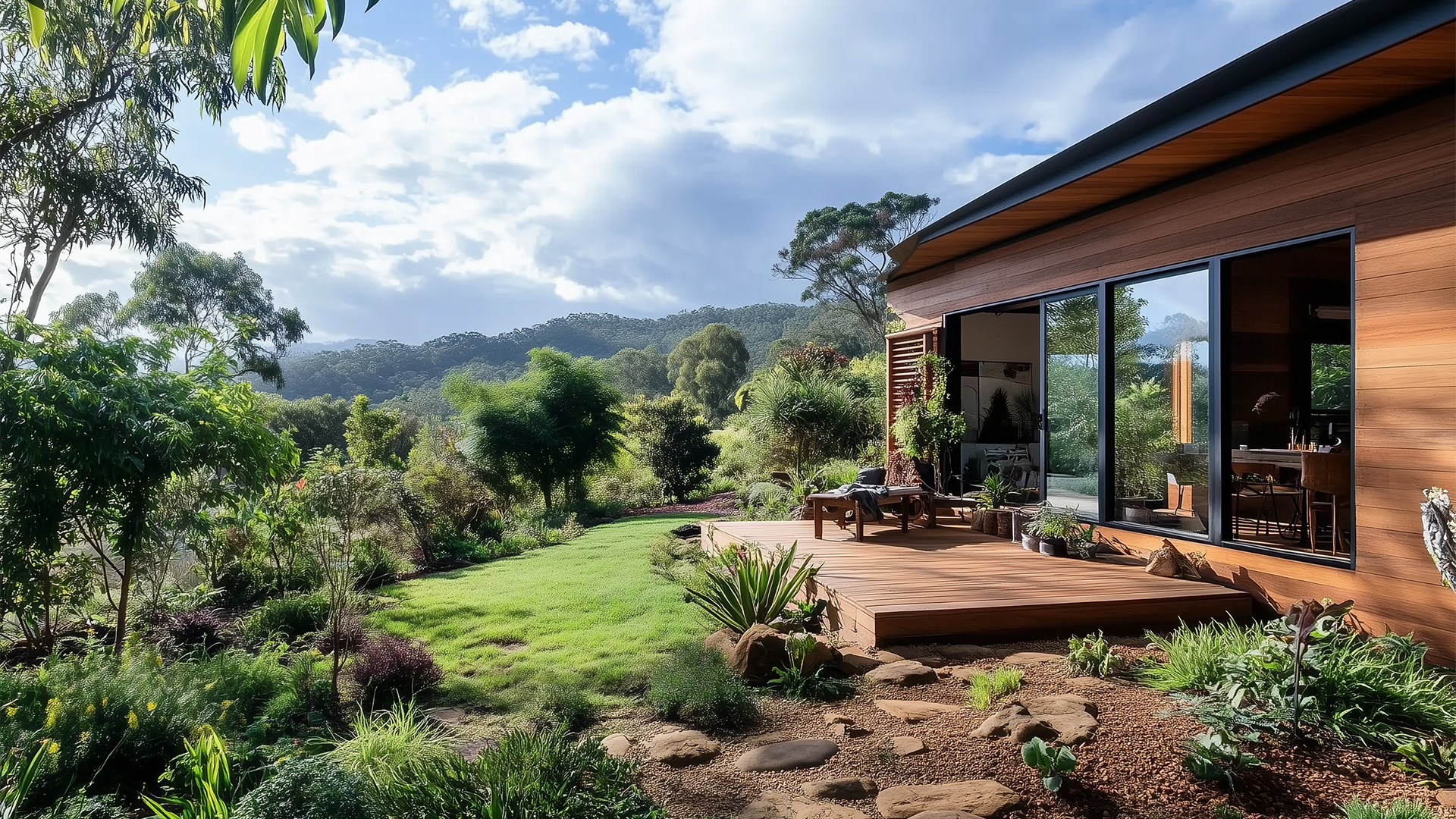
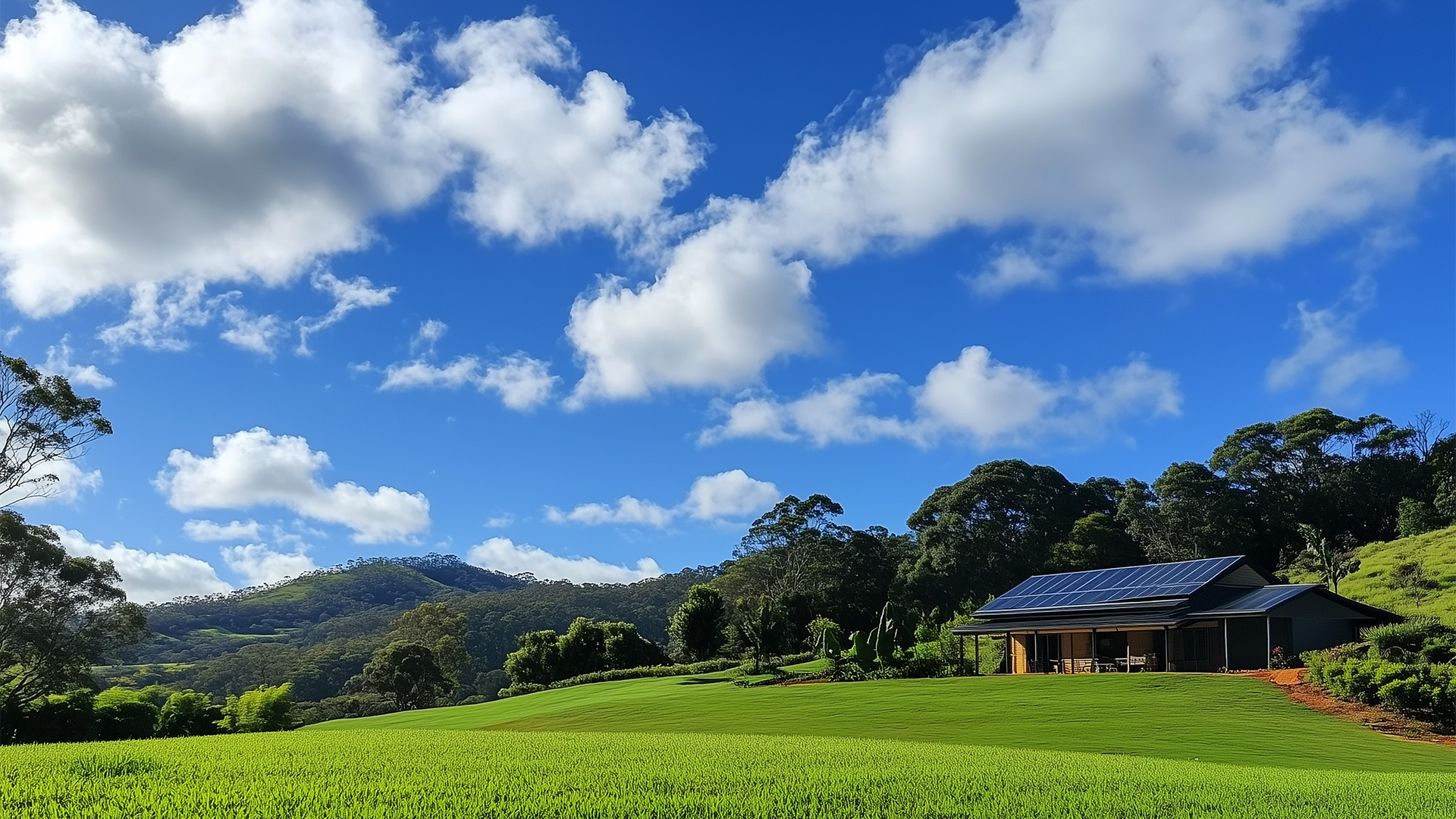
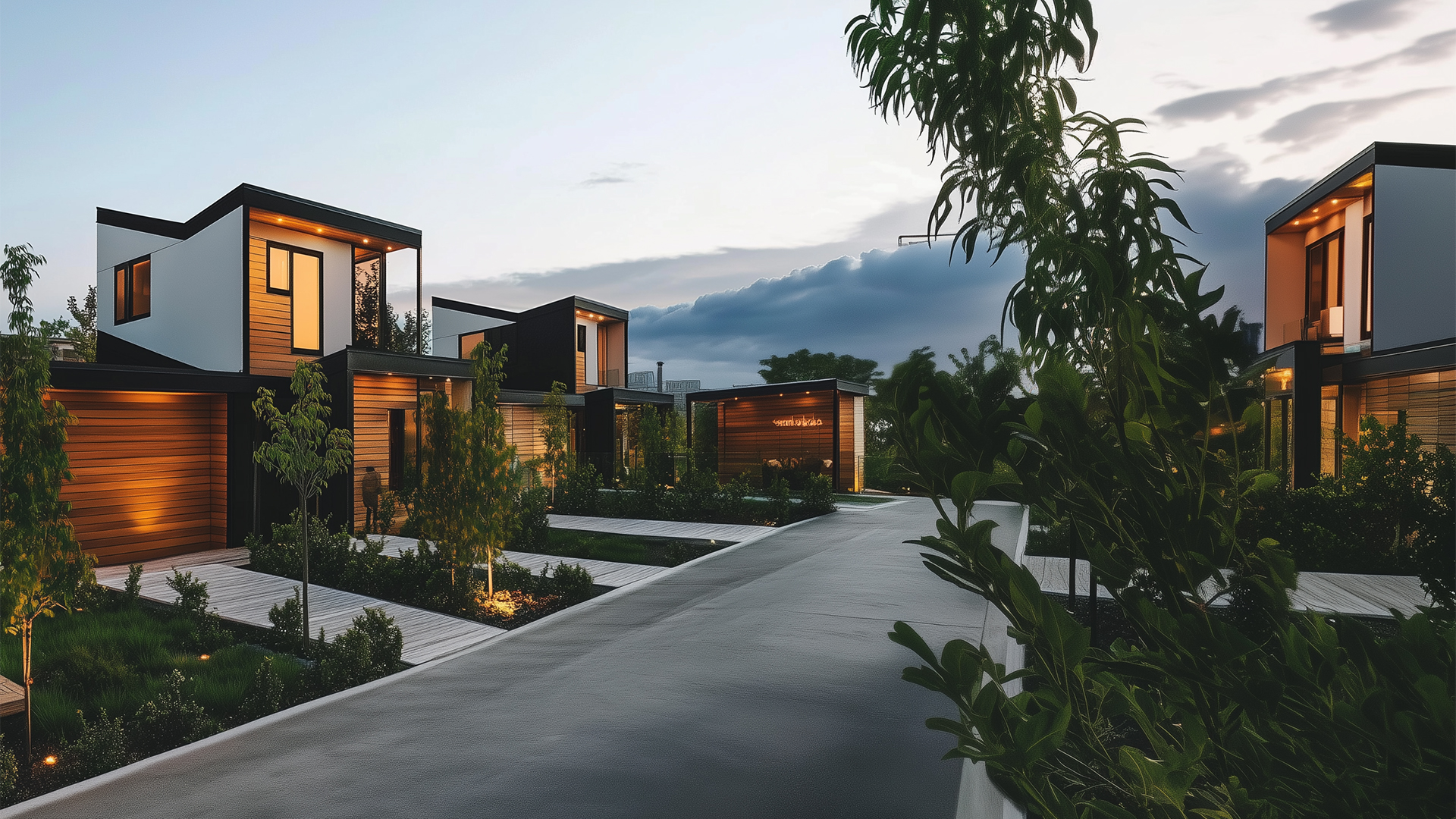
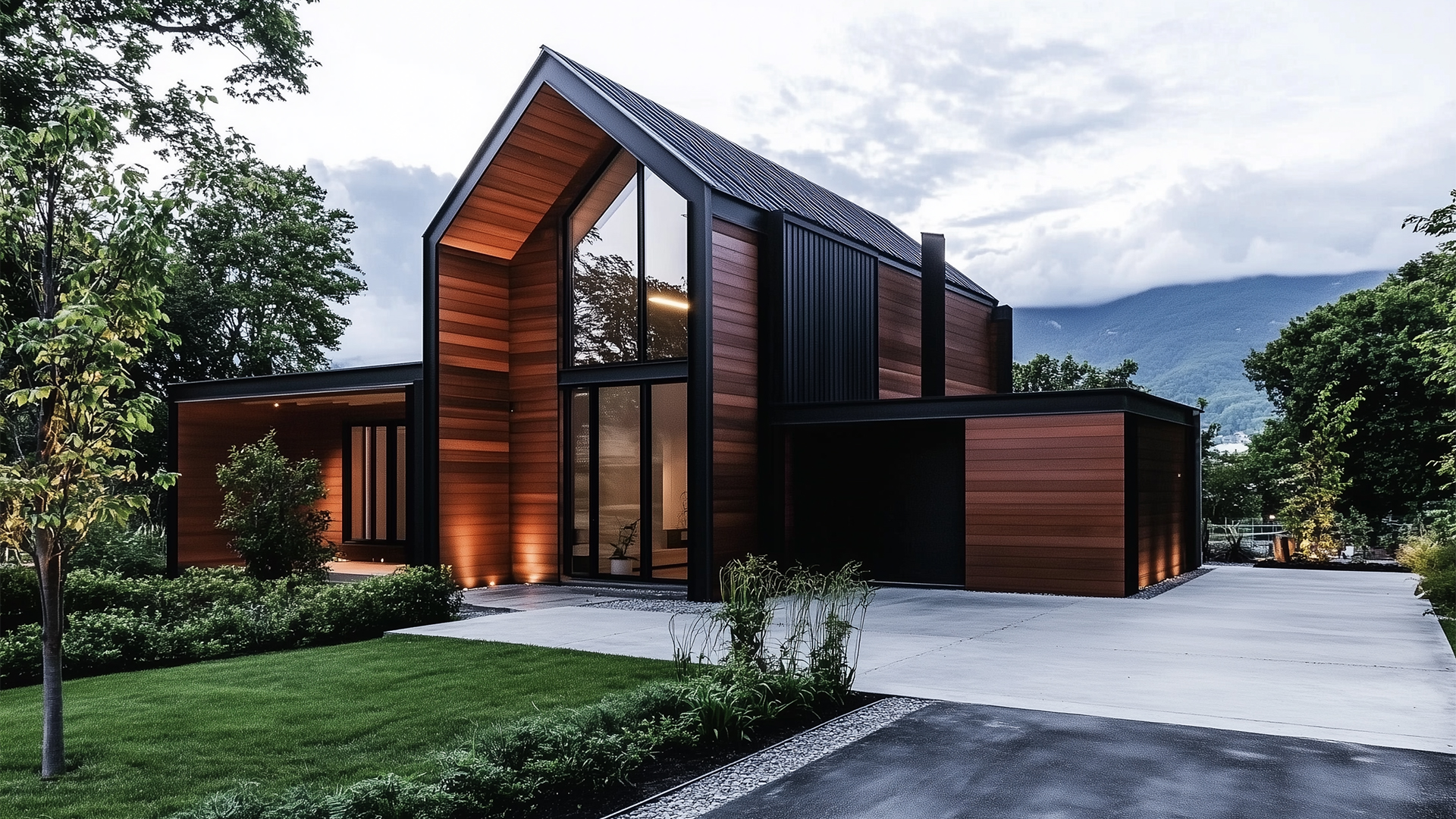
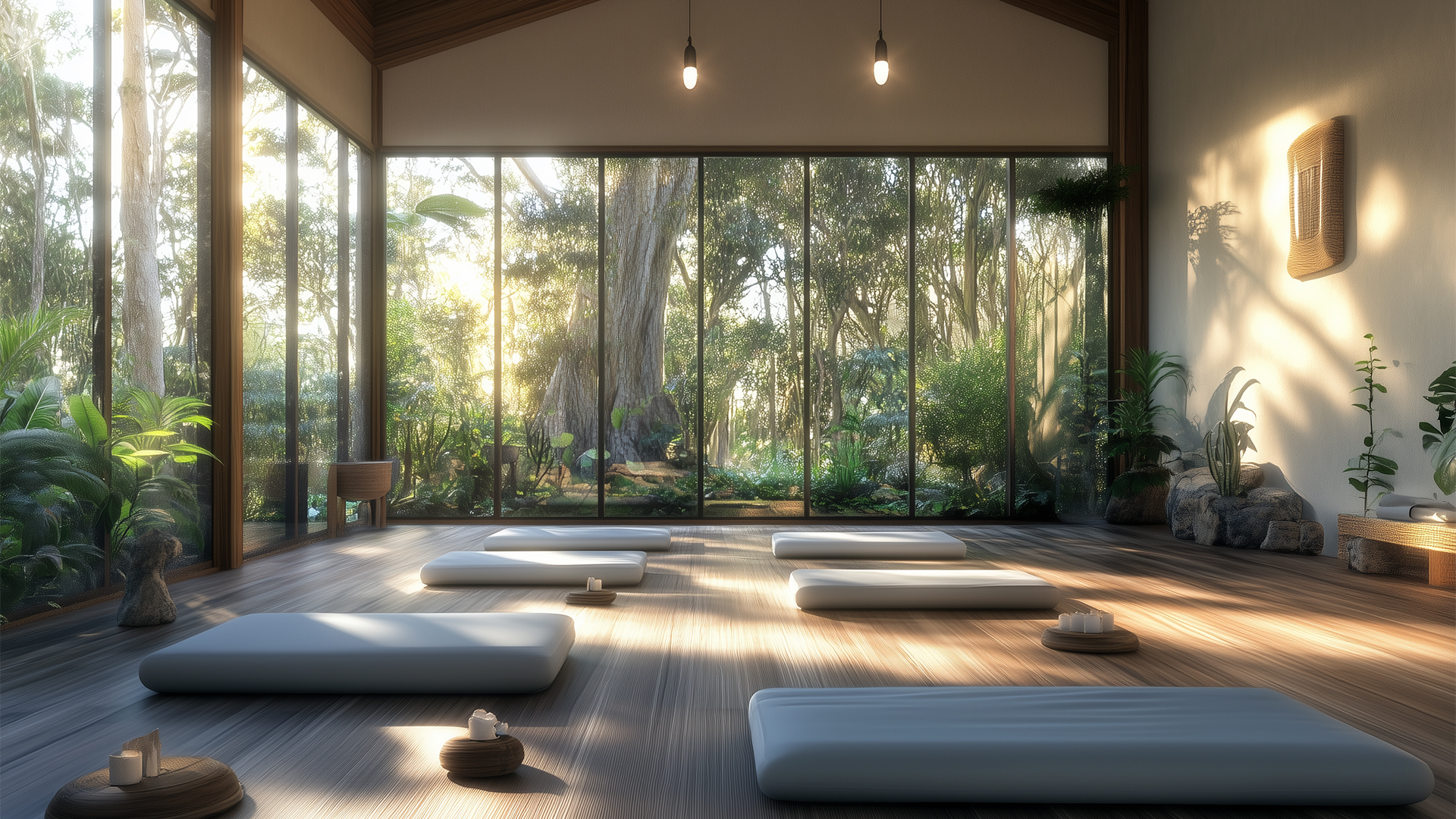
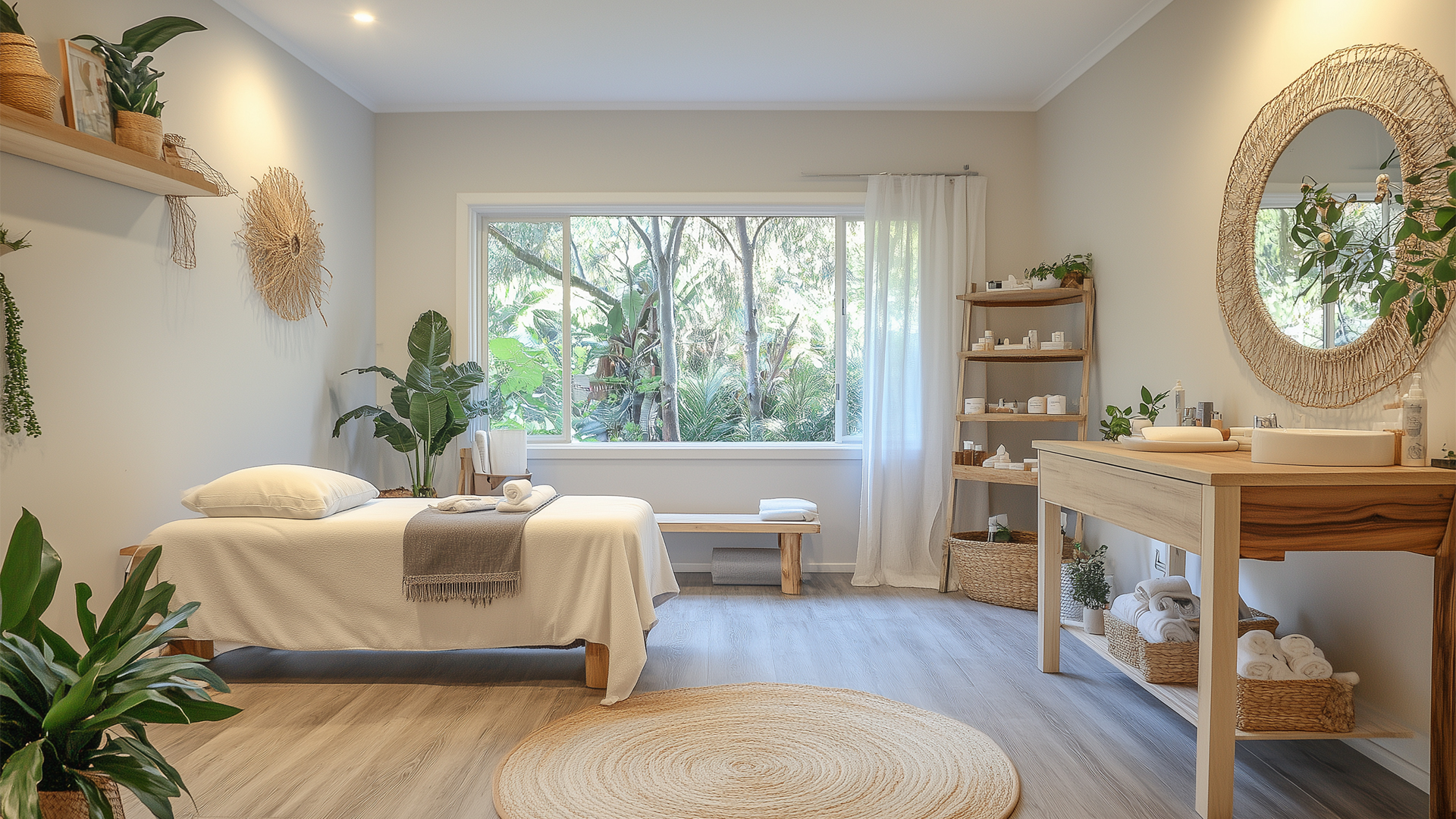
ROOTS Wellness Community Real Estate Model

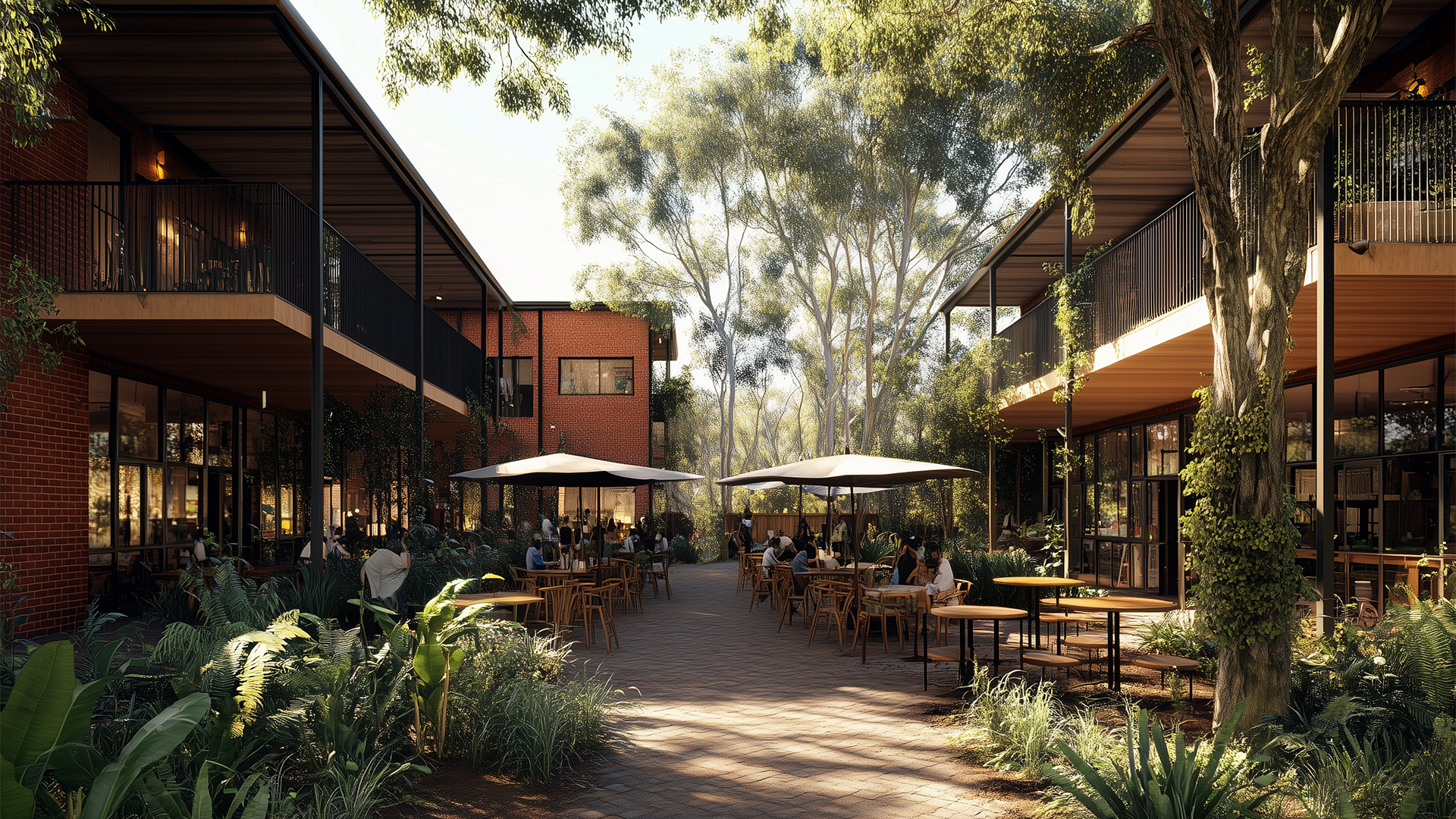
ROOTS is a holistic wellness community real estate model that combines sustainable building practices, community-centric design, comprehensive wellness programming, state of the art integrative health and wellness facilities, permaculture and land regeneration, and intentional physical and virtual community models into a modern take on the classic village.
Wellness communities have to adapt to unique socio-cultural and local environmental circumstances, which means that there cannot be a one size fits all approach when it comes to designing true wellness real estate communities. However, there remain some non-negotiables in terms of creating a true “wellness community” and sustainable, wellness-centric social underpinnings are essential. This begins with the individual, extends to the community and ultimately extends to influence global wellness trends.
This exploration of the relationships between our individual/personal wellness and community/planetary wellness can ultimately make the world a better place, beginning in our own backyard.
It is backed by over 4 decades of experience in the health and wellness sectors and powered by the mission to bring positive change to human and planetary well-being.
Through the mindful co-creation and nurture of a forward-thinking, heartful and mindful community model, we are committed to a healthy and sustainable future and successful stewardship of the Earth for both current and future generations.
ROOTS | Community Amenities
ROOTS | Design Infrastructure
ROOTS | Guiding Principles
Why a Wellness Community?
The way our homes have been built in the last century is reinforcing lifestyles that make us sick, stressed, lonely, and unhappy.
Ever widening disparities in the true wellness of communities and community members demonstrates the growing need for wellness real estate models that truly take into account their community members’ health and wellbeing, consider economic and social models that balance societal demands with the community’s wellness and global sustainability.

Social contact and a sense of community has been challenged in unprecedented ways during the pandemic.
The medical, economic, social, and human costs associated with chronic disease have escalated to a level that is unsustainable. According to the World Economic Forum, the cumulative global economic impact of chronic disease could reach $47 trillion by 2030. Research has shown that the determinants of chronic disease are less than 15% genetic and more than 85% environmental and behavioral factors.
The Global Wellness Institute has been predicting and tracking sustained growth in the Wellness Real Estate Community sector since 2007 and has more recently reported a significant uptick in this sector.
Demand for wellness lifestyle real estate and communities is the fastest growing sector in the wellness ecosystem. Consumers are seeking out healthy places to live and are willing to pay more to be a part of a more sustainable wellness community model.
When we look around, we must ask:
how can we stay healthy when our built environment is working against us?
Since our health outcomes are intimately tied to where we live and how we live, it is time to re-think our paradigm for residential community living. We cannot address the global housing crisis, rising chronic disease crisis and unsustainable
health costs without committing to a dramatic transformation of where and how we live. We must shift our resources and our investments into the places that give us the best returns on our health – that is, our homes and communities.
Urban Unwellness
· Intensive air, water, noise, & light pollution
· Overcrowding & lack of tranquil space
· Luxury versus slums
· Limited amenities for the non-wealthy
Suburban Unwellness
· Separation of home from daily activities
· Car dependency & sprawl
· Limited walkability
· Social isolation & segregation

Environment
· Toxic air, water, soil, & materials
· Light & noise pollution
· Climate change & resource depletion
Social / Community
· Loneliness & social isolation
· Economic insecurity & inequality
· Polarization & lack of trust

Health & Wellness
· Sedentary & unhealthy lifestyle
· Unprecedented rates of chronic disease
· Digital overload & stress
· Disconnection from nature & heritage

Children & Teenagers
· Childhood obesity
· Teen anxiety & depression
· Lack of independence

Working Adults
· Long commutes
· Always on, 24/7 work culture
· Unprecedented stress, burnout & unhappiness
· Unprecedented chronic disease rates
· Poor quality of life

Seniors
· Decreased mobility
· Increased medical needs
· Isolation from friends & family
Source: Global Wellness Institute
Return on Investment & Return on Wellness.

Wellness real estate is a sizable industry poised for rapid growth resulting from wellness trends accelerated by the pandemic. People are ready to treat their homes as an investment in their wellness.
Wellness Lifestyle Real Estate was a $134B global industry in 2017 and has been growing at 6.4% annually since 2015. Wellness Real Estate principles provide the foundation for a true Wellness Community.
The pandemic has caused a mass exodus of people from large cities all over the world in search for healthier places and healthier WAYS to live. As a result, there is a shortage of real estate in suburban and rural areas as demand keeps rising.
With Australia being the third largest market for Wellness Real Estate (2017) and number one per capita in the world, the potential Return On Investment is clearcut. The premiums detailed below offer powerful motivation for investment, but hopefully an equally compelling reason for investing in a Conscious Wellness Community model is the Return On Wellness.
Source: Global Wellness Institute
Market Drivers
Wellness Trends
Wellness Travel
Global Potential
Higher Premiums
The Global Wellness Institute has continuously reported premiums being enjoyed in the Wellness Real Estate sector. These improved returns and accelerated transaction timelines extend across the global Wellness Real Estate Community. Examples in the U.S. include:
- U.S. based real estate developers have shown premiums for wellness-branded, single-family homes returning 5-35 percent more than average (most reported the higher side of that range)
- Investors have also seen a 7-10 percent premium for wellness rentals
- Resort operators have seen a 15-30 percent average daily rate premium for wellness-branded hotels.
- Developers also reported that “well-homes” sell far faster than their traditional equivalents” (GWI Research now suggests 10-25% faster)
It has been further demonstrated in the U.S. that homebuyers and renters will pay more for built environment features such as those detailed in the ROOTS model. These price premiums range from:
- 3-12% for nearby open space, greenbelts, and conservation areas;
- 4-20% for nearby parks and multi-use trails
- 5-15% for recreational programming and amenities within the community
ROOTS Comparison
An example of a community with some of the elements of the ROOTS model is “Serenbe” in Georgia, US. Homes have been achieving a 37-55% premium over other developments in that area.
Growing Demand
Based on an extensive study conducted recently in the U.S. by American Lives, it was determined that:
- 25% of respondents, profiled as “Lifestyle Enthusiasts”, were very interested in living in a wellness community either full time or part time
- Interest did not correlate to income, age, education, or gender, beyond a $75k annual income threshold
Closer to home a National Heart Foundation survey similarly confirmed that consumers in Australia prefer homes with access to:
- A local park within walking distance (45%)
- Paved walking paths (50%)
- Local services within walking distance (64%)
Based on a two-phase survey by the Auckland Council, homebuyers in New Zealand would prefer:
- Natural light in their homes (98%)
- Neighborhood trees (93%)
- Easy access to shops (92%)
- Proximity to a park or reserve (83%)
- Walking distance to a community center (44%)
- A nearby fitness center (37%)
A study the UK Green Building Council showed that:
- 90% of those buyers and renters surveyed would like a home that “does not compromise their health and wellbeing”
- And nearly 30% said they would be willing to pay more for this type of home
In addition to the premiums being achieved in the residential elements of wellness communities, interest in wellness tourism has grown significantly across the globe.
The ROOTS Wellness Community Real Estate Model addresses this growing momentum, awareness and the associated societal challenges and shifts through a contemporary take on the classic village that sustainably blends ancient wisdom with modern technology.
The ROOTS Solution
ROOTS Pillars
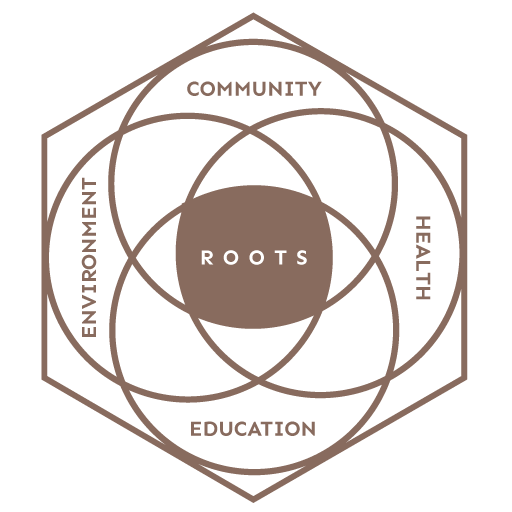
Elements of the ROOTS Wellness Real Estate Model include:
- An intergenerational community founded on community, wellness and purpose.
- An emphasis on affordability and housing diversity with designs including small footprint homes, townhomes and lofts, and multigenerational homes.
- Lease to buy options for workforce and low-income households.
- A world-class biophilic wellness center interwoven with a modern social club.
- A non-denominational place of worship.
- Numinous Architecture underwritten by low-impact site development principles.
- Reduced carbon footprint and sustainable biophilic building practices.
- Leveraging technology to complement our circadian rhythms through the built environment.
- Engaging native, water-wise landscape architecture with an interconnected web of trails and outdoor living amenities.
- Integrated regenerative farming and horticulture practices.
- Net-positive, all-electric, renewable energy powered by wind and solar.
- Whole community chiller plant to provide cold water for cooling, and hot water for heating of homes, retail and commercial spaces.
- ”Zero waste” recycling model.
- Minimal light pollution through smart design and scheduling of public areas.
- Foot, bike and scooter friendly design with a pedestrian only Village Center.
- Rhythmic events and programs including weekly markets, concerts and art exhibitions.
- Rainwater harvesting from structures and impervious surfaces.
- A focus on natural lighting and fresh air circulation.
- Nature preserves.
- Predominantly timber and bamboo structures to reduce carbon footprint of the development.
Other amenities, based on context:
- “Village Green” with amphitheatre
- Artist Colony and galleries with resident and visiting artists and teachers
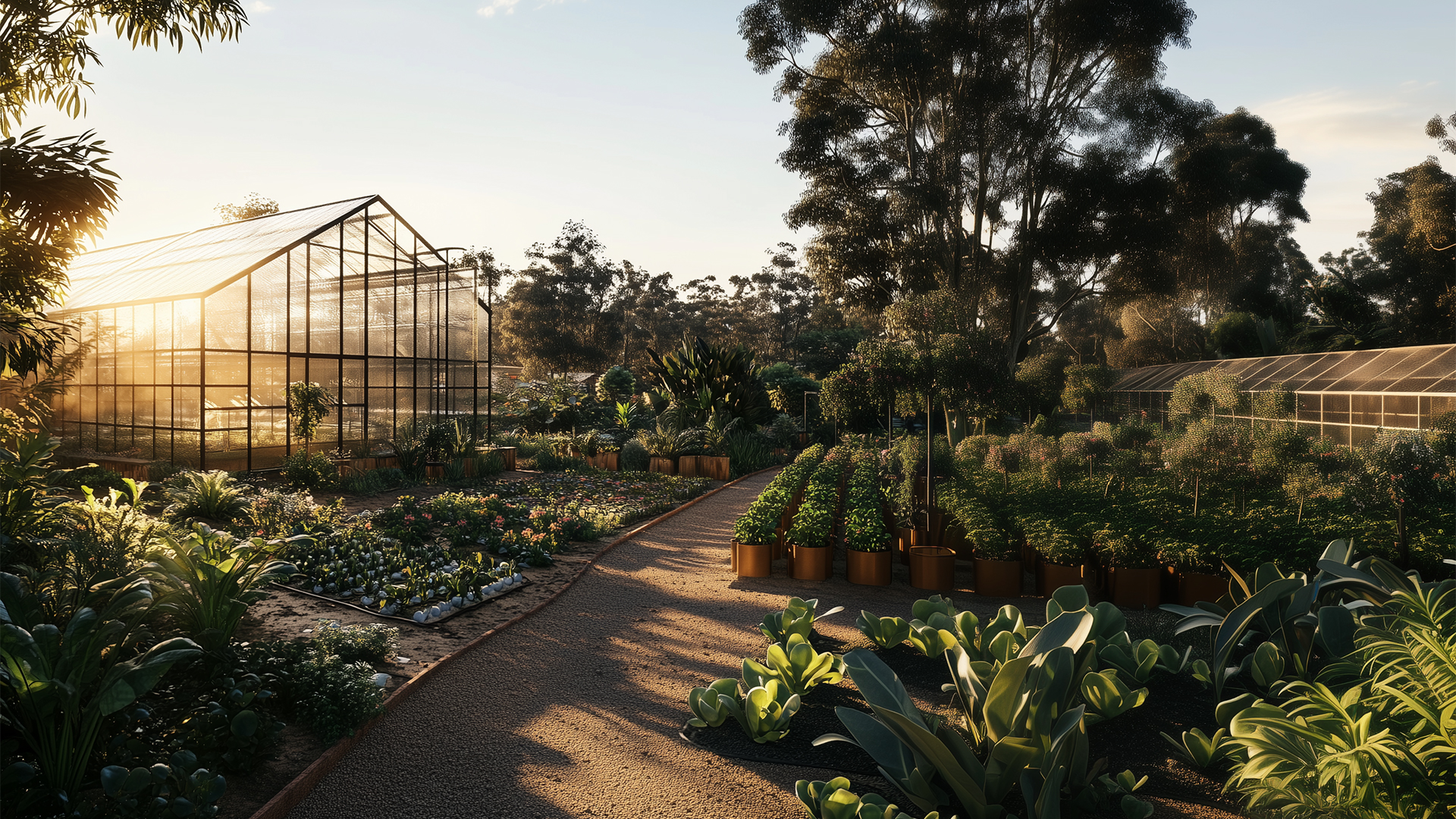
- Community garden, greenhouses and organic farm and vineyard
- Restaurants, cafés, grocer, and bakers featuring healthy whole food options
- Brewery and winery featuring on-property organic beers and wines
- Recreational amenities:
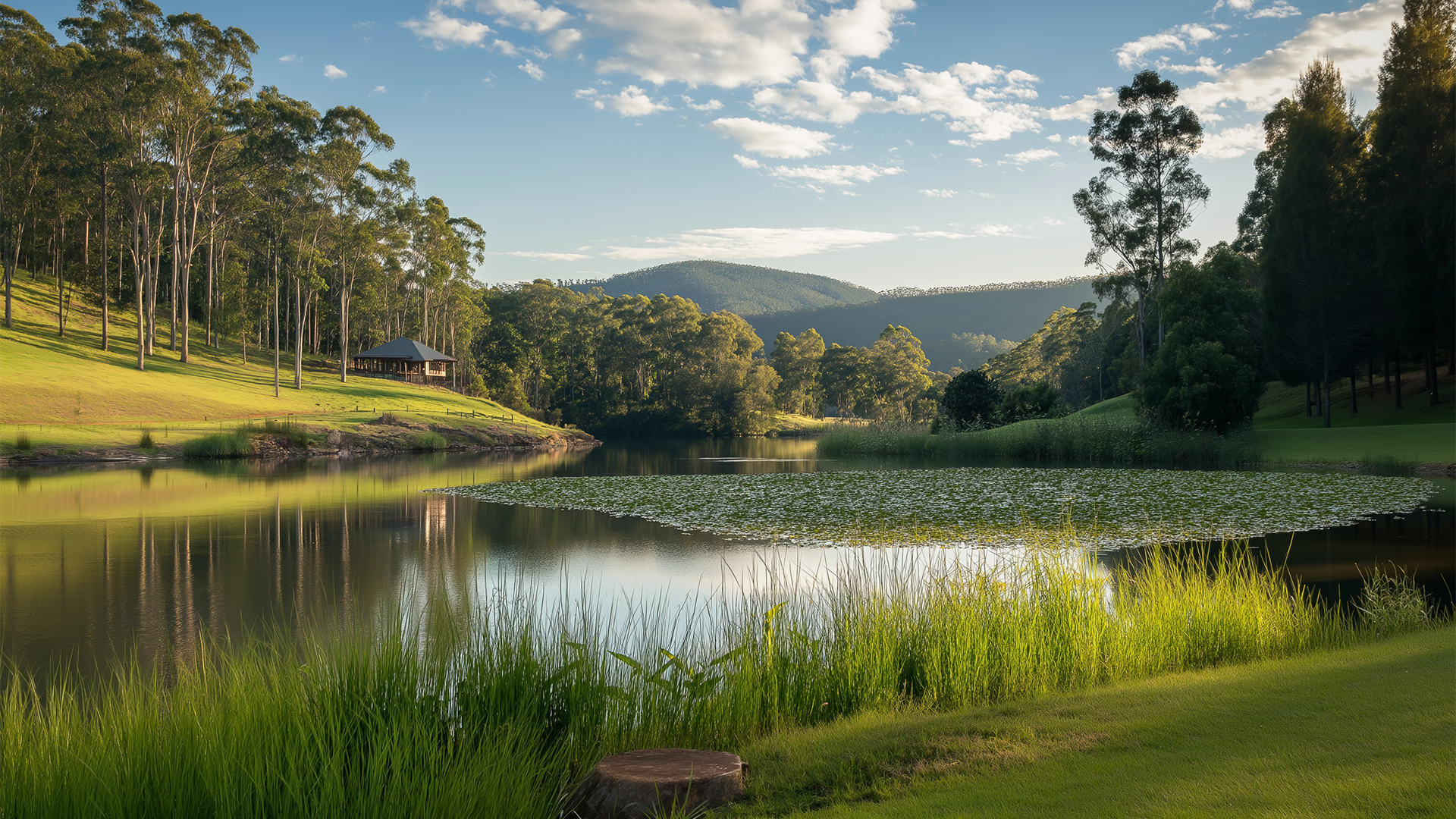
- Lake for water sports
- A variety of courts inc. pickleball, basketball, and tennis
- Interspersed fields including soccer and mixed recreatioanl fields
- Sealed and unsealed, light coloured, trails and shaded paths
- High and low “adventure” elements
- Salt pools and “lazy rivers”
- Creativity centric playgrounds integrating movement with fun
- Indoor/outdoor screening rooms featuring regular wellness talks from acknowledged experts
- Social club that includes meeting spaces and fibreoptic network for entrepreneurs and creatives to work and mingle in private and shared spaces
- Destination retreat and sabbatical amenities and short-term accommodations
- Mindfulness spaces and seating areas interwoven into the landscape
- Wellness Hotel featuring Spa with Ayurvedic Treatments
- Retirement and Assisted Living and “longevity center”
- A “Waldorf” school for residents and surrounding communities
- An integrative wellness clinic featuring a multi-dimensional group of integrative “wellcare” providers
- Virtual programming community
ROOTS | Amenities & Design
ROOTS | Guiding Principles
What makes ROOTS unique?
Studies | Positive impacts of wellness real estate
Highlights of the ROOTS model that can directly contribute to health outcomes and impact healthy lifestyle choices include:
- Each resident will be offered a full Lifestyle and Health Appraisal by the Wellness Center team which will be the basis for initial recommendations, protocols and continuing support. Learn More
- Residences and community buildings will be consciously designed to reduce exposure to toxic elements with healthy choices in construction materials, choosing locally sourced natural, recycled or sustainable products wherever possible.
- A focus on minimizing harmful outputs, optimizing filtration systems, reducing EMF, encouraging natural light and ventilation
- Installing geothermal heating/cooling systems, solar systems for power and hot water, and wind energy to complement the solar.
- Organic produce will be grown in the community and there will be an emphasis on providing healthy nutritional food choices and grocery options for the residents and guests.
- Making movement the default option with smart infrastructure and neighborhood design which promotes walking and biking through convenient and accessible paths and lanes.
- Providing attractive and natural public recreation spaces, interconnected paths and walking/biking trails, aquatics options, outdoor courts, fields and activities that encourage engagement and interaction among community members.
- Promoting better sleep, rest and stress reduction by reducing commutes, encouraging movement, conscious lighting choices in residences and community buildings, and conscious sound attenuation throughout the development.
- Promoting native plants and landscaping, edible landscaping, refraining from chemical fertilizers and pesticides.
The Business Case for ROOTS : a true wellness community real estate model
Valued by the Global Wellness Institute at $119 billion in 2015 Wellness Real Estate grew to an estimated $275 billion by 2020, significantly outpacing general economic growth. In 2020 Wellness Real Estate recorded 22% growth, despite a 2.5% shrinkage in overall construction output.
Wellness Lifestyle Real Estate principles provide established economic foundations for a Wellness Community, but the addition of a true wellness center and functional social club creatively elevates the potential for long term annuity streams and enhanced Return On Wellness (ROW).
Properties in the wellness sector can command price premiums of 10–25%, sometimes ranging from up to 55% due to high demand and insufficient supply. These improved returns and accelerated transaction timelines extend across the global Wellness Real Estate Community. Examples in the U.S. include:
- U.S. based real estate developers have shown premiums for wellness-branded, single-family homes returning 5-35% more than average (most reported the higher side of that range).
- Investors have also seen a 7-10% premium for wellness rentals.
- Resort operators have seen a 15-30% average daily rate premium for wellness-branded hotels.
Developers also reported that “well-homes” sell far faster than their traditional equivalents” (GWI Research now suggests 10-25% faster).
ROOTS Business Model
The ROOTS Wellness Community Real Estate Model is both an OPCO and PROPCO opportunity, founded on long-term financial viability which will be underwritten by a breadth and depth of income and annuity streams.
ROOTS is predicated on providing a unique solution for each demographic/geographic opportunity and isn’t a formula that must be always put in place in its entirety.
Income will potentially come from:
- Real estate sales
- Resales/reconveyance fees
- Services and income from company held businesses
- Commercial leases and rents
- Homeowners Association Dues
- Special Purpose Taxing Districts?
- Short and long-term rental income
- Continuing Care Community income stream
- Membership Fees and Dues
- Fee-For-Service
- Conferences and retreats
- Events such as concerts and festivals
- Destination Wellness
- Courses – both onsite and virtual
- Consulting on sustainable community development and enhancement
- Fundraising and Grantseeking
- Angel Investors
Business principles, market characteristics and values (competition, diversification, entrepreneurship, innovation, and a focus on the bottom line) need to co-exist and work with values on which this community model is based.
The core business model includes two key elements:
- An operating strategy that includes internal organizational structure and external partnerships that are crucial for creating the communities intended impact; and,
- A resource strategy that defines where and on what terms the organization will acquire the resources (financial and human) it needs to do its work.
The premise of this model is the balancing the generation of both social value (measurable impact, measured as Return On Wellness) and economic value (revenue, measured as Return On Investment).
What makes ROOTS unique?
ROOTS Economic Model
Ever-increasing demand for wellness real estate
Based on an extensive study conducted recently in the U.S. by American Lives it was determined that:
-
- 25% of respondents, profiled as “Lifestyle Enthusiasts”, were very interested in living in a wellness community either full time or part time.
- Interest did not correlate to income, age, education, or gender, beyond a $75k annual income threshold.
Internationally, recent surveys demonstrate that healthy home features are in high demand and as a subset and early indicator, homes with green certification labels and energy-efficient features have achieved sales premiums of up to 10% in countries around the world over the last 10-15 years.
Unlike most wellness real estate models, ROOTS has built in annuity streams that are not dependent on long-term real estate sales, land availability, or ongoing development.
ROOTS Economic Model
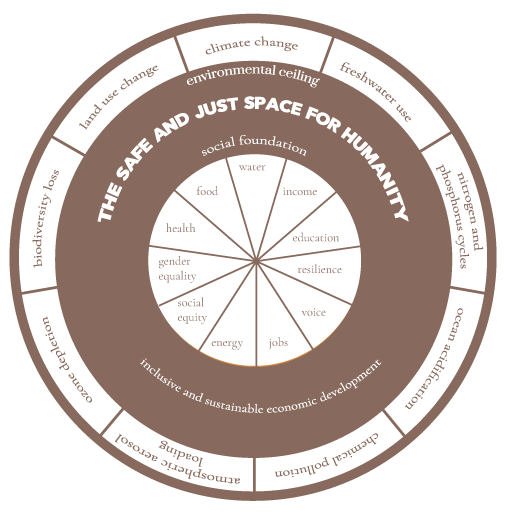
DONUT ECONOMICS is an economic model for creating sustainable communities. It has been modeled for sustainable stewardship of the economies of cities, states and countries. The city of Amsterdam has adopted this model which was developed by Kate Raworth from Oxfam. The model suggests that humanity’s 21st century challenge is to ensure that every person has the resources they need to meet their human rights, while collectively living within the ecological means of this one planet. The ‘doughnut’ of planetary and social boundaries is an approach to framing that challenge as seen in the graphic:
o The outer limit of the doughnut is the environmental and ecological ceiling, defined by natural sciences. This is the limit we shouldn’t cross. If we do, planetary balances begin to fail. Those ceilings should be considered in the community setting and extend outward to a more global model.
o The inner limit is the social foundation where people have access to the twelve basic needs as described by the United Nations (health, education, access to water…). This community can easily create and model the means to sustainably provide access to these social foundations.
o In Amsterdam, they are implementing much of the “Donut Economic” model by improved treatment of domestic waste, more sustainable constructions, initiatives to reduce food waste, solutions for the reuse of unwanted products, preservation of raw materials and so forth.
o The “Donut Economics” framework is proposed for this community as it is designed to measure the performance of an economy by the extent to which the needs of people are met without overshooting Earth’s ecological ceiling.
Contact
Grant Ian Gamble
grant@grantiangamble.com
grantiangamble.com
+61 475 866 592